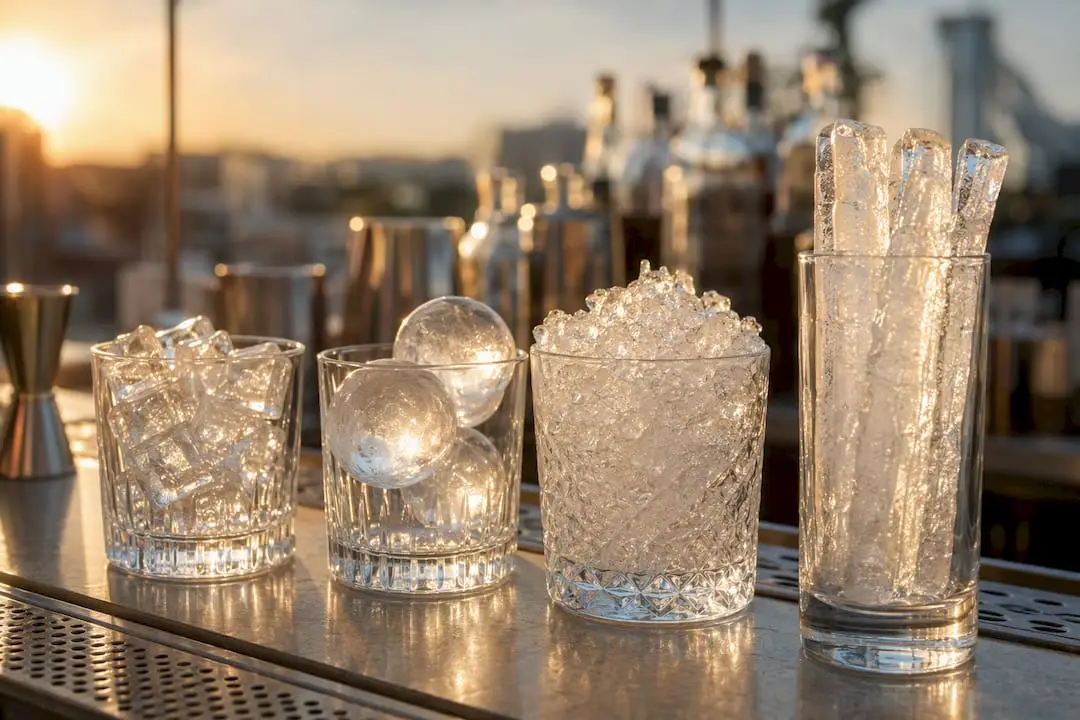
For most drinks, a standard 1 to 1.25-inch cube is your workhorse. It hits the sweet spot for shaking, stirring, and highball service. For sipping something spirit-forward like an Old Fashioned, upgrade to a large clear cube or sphere. For piña coladas, mojitos, and juleps, crushed ice wins every time.
The rule underneath all of it: more surface area means faster chilling and faster dilution. Big ice barely melts, so it fits slow sipping. Small or crushed ice melts fast, so it fits drinks built for cold, quick refreshment.
- Standard cubes (1 to 1.25″): shaking, stirring, everyday highballs
- Large cube or sphere (2″): Old Fashioned, Negroni, Manhattan
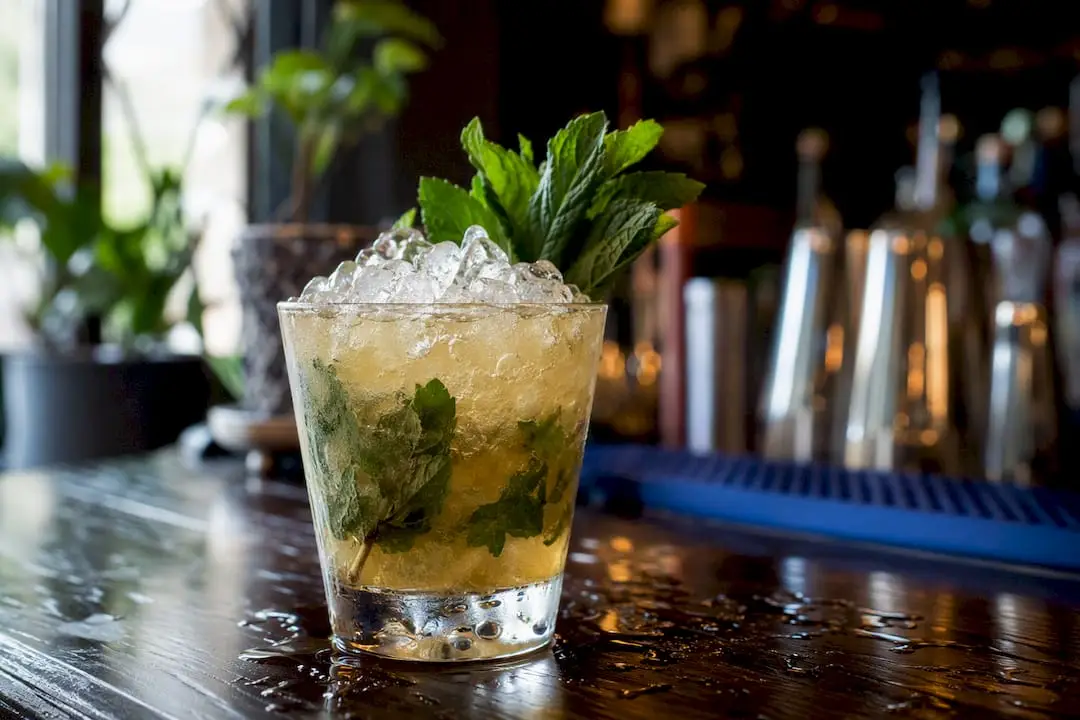
- Crushed or pebble ice: Mojito, Mint Julep, tiki drinks
- Collins spear: tall carbonated drinks like Tom Collins or Paloma
Key Takeaways
Choosing the right ice type for a cocktail comes down to matching surface-area-to-volume ratio to the drink’s intended dilution speed and serving style.
| Point | Details |
|---|---|
| Default to standard cubes | Use 1 to 1.25-inch cubes for shaking, stirring, and most everyday cocktails. |
| Upgrade for spirit-forward drinks | Large clear cubes or spheres melt slower, ideal for Old Fashioneds and Negronis. |
| Crush for tropical and mint drinks | Crushed ice chills and dilutes fast, matching Juleps and tiki cocktails. |
| Protect carbonation with tall ice | Collins spears reduce agitation, keeping highballs fizzy longer. |
| Delegate ice logistics for events | Cocktail-crew handles ice production and bar service so hosts skip the planning burden. |
Table of Contents
- Ice Types for Cocktails: A Practical Breakdown
- Why Ice Shape Changes How a Drink Tastes
- How to Make Clear Ice at Home Without Fancy Equipment
- Which Ice Fits Which Cocktail
- Keeping Bar Ice Clean, Fresh, and Odor-Free
- Specialty Ice Craft Bars Are Using Right Now
- What Years of Event Bars Have Taught Me About Ice
- Let Someone Else Handle the Ice While You Handle the Party
- Sources
Ice Types for Cocktails: A Practical Breakdown
Every shape of ice does a different job behind the bar, and knowing the difference separates a decent drink from a great one.
1. Standard cubes
The 1 to 1.25-inch cube is the default for a reason. It has enough mass to chill a shaken drink without turning it into water, and enough surface area to knock the temperature down fast. Serious Eats notes that hard shaking with standard cubes is typically enough to properly chill and dilute a shaken cocktail. Use these for Margaritas, Daiquiris, Whiskey Sours, and most stirred drinks that don’t need showpiece ice.
2. Large cubes and spheres
A large cube or sphere has a much lower surface-area-to-volume ratio than a handful of small cubes, so it melts slower and dilutes the drink gradually instead of all at once. DrinkLab calls this the “big rock” and recommends it specifically for spirit-forward cocktails where you want the drink to open up over 15 or 20 minutes rather than water down in five. Clear versions look sharper in a rocks glass; cloudy ones work fine if presentation isn’t the point.

3. Crushed ice
Crushed ice chills a drink very quickly and dilutes it just as fast, which is exactly the point for a Mint Julep or a Mango Mint Mojito. The rapid melt releases aromatics from muddled mint and citrus oils quicker than a solid cube would. Food & Wine points out that crushed ice is a genuine flavor tool in tiki drinks, not just a texture choice, though it’s the wrong call for anything stirred, since it will water down a Manhattan before it’s properly cold. Crush it with a Lewis bag and mallet for control, or run cubes through a blender in short pulses if you’re working fast.
4. Nugget or pebble ice
Softer and more chewable than crushed ice, nugget ice (sometimes called “the good ice” by people who’ve had it from a Sonic machine) sits in the middle ground: fast chill, moderate dilution, and a texture people genuinely enjoy snacking on between sips. It shows up in espresso martinis and some tiki service where you want cold and cool-looking without the aggressive melt rate of true crushed ice.
5. Collins spears and tall cubes
Tall, narrow cubes are built to fit Collins and highball glasses without wasting space, and they matter more than people think for carbonated drinks. Less surface area touching the liquid means less agitation and slower CO2 loss, so a Tom Collins or Paloma stays fizzy longer. This is the shape to reach for anytime soda water, tonic, or ginger beer is involved.
6. Shaved, flake, and dispenser ice
Shaved or flake ice from a home refrigerator dispenser melts fast and unevenly, which makes it a poor fit for anything you’re serving to a discerning guest. It works in a pinch for a frozen daiquiri blend or a snow cone style presentation, but don’t rely on it for standard cocktail service.
Pro Tip: Keep three molds on hand and you’ve covered 90% of what a home bar or event needs: a standard 1.25″ cube tray, a 2″ cube or sphere mold, and a crushed ice bag or Lewis bag setup.
One more note on theatrics: dry ice creates dramatic fog for a signature cocktail display, but it’s for visual effect only. Never let it touch a drink someone will actually consume, and never let a guest handle it directly.
Why Ice Shape Changes How a Drink Tastes
This comes down to one concept: surface-area-to-volume ratio. A small ice cube has a lot of surface area relative to its mass, so it transfers cold fast and melts fast. A large cube or sphere has much less surface area per unit of volume, so it melts slowly and dilutes gradually.
- Small/crushed ice: fast chill, fast dilution, best for drinks meant to be consumed quickly
- Large cube/sphere: slow chill, slow dilution, best for drinks meant to be sipped over time
- Clear ice: denser, fewer air pockets, melts slower than cloudy ice of the same size
Clarity isn’t cosmetic. The Conversation explains that directional freezing pushes dissolved air and minerals away from the freezing surface, which is what produces that glass-clear block instead of a cloudy one. That denser structure melts slower and, in highballs, helps hold onto carbonation longer than bubbly, air-filled cloudy ice does.
The practical takeaway: pick your ice for the dilution curve you actually want, not just for looks. A Negroni wants slow, steady opening. A Mai Tai wants immediate, aggressive cold.
How to Make Clear Ice at Home Without Fancy Equipment
You don’t need a countertop clear ice machine to get bar-quality cubes. The directional freezing method Serious Eats and The Conversation both describe works with gear most kitchens already have.
- Fill a small insulated cooler (no lid) about two-thirds full with filtered water.
- Set it in the freezer uncovered for 24 to 48 hours, depending on cooler size.
- Freezing happens top-down, pushing impurities and air into an unfrozen layer at the bottom.
- Pull the cooler out before it freezes solid and remove the clear block from the top.
- Cut the clear portion into cubes and discard the cloudy bottom layer.
If you don’t want to deal with a cooler, silicone molds designed specifically for clear cubes or spheres get you most of the way there, though they rarely match the density of a true directional freeze. Liquor notes that a lot of professional bars still lean on a mix of purpose-built molds and countertop clear ice machines rather than fully replicating the cooler method every shift.
Pro Tip: Use filtered or distilled water for noticeably clearer results, and store finished cubes in a sealed bag or container. Ice left uncovered in a home freezer picks up odors from everything else in there, and nothing ruins a Martini faster than a whiff of last week’s leftovers.
Which Ice Fits Which Cocktail
Matching ice to drink isn’t guesswork once you know the dilution goal behind each recipe.
- Old Fashioned, Negroni, Manhattan: large clear cube or sphere, slow dilution over a long sip
- Whiskey Sour, Margarita, Daiquiri: standard cubes for shaking, discarded before serving over fresh ice
- Tom Collins, Mojito, Paloma: Collins spear or tight tall cubes to protect carbonation
- Mint Julep, Mai Tai: crushed ice, packed tight for the frost and fast dilution
- Espresso Martini, tiki service: nugget or pebble ice for texture and quick cold
If you’re planning ice for a wedding reception or larger event, quantity matters as much as shape. A rough guide is one to two large cubes per guest for spirit-forward drinks, plus a separate crushed or standard-cube supply for everything else; our ice for party planning guide breaks down exact quantities by guest count and bar style. When you’re running a mixed-service event and can’t stock five ice shapes, prioritize two: a standard cube for the bulk of drinks and one large cube or sphere mold for the cocktails that deserve it.
| Cocktail | Recommended ice |
|---|---|
| Old Fashioned / Negroni | Large clear cube or sphere |
| Margarita / Daiquiri | Standard cube (shaken, strained onto fresh ice) |
| Tom Collins / Paloma | Collins spear |
| Mint Julep / Mai Tai | Crushed ice |
Keeping Bar Ice Clean, Fresh, and Odor-Free
Good ice starts with basic hygiene. Store it in sealed, food-safe containers and use filtered water when you’re making it yourself, since tap water minerals are a big part of what causes cloudiness and off-flavors in the first place.
- Rotate stock regularly. Ice sitting in a home freezer for weeks picks up freezer burn and absorbs odors from nearby food.
- Never reuse mixing ice in the final serve. Shaking or stirring ice has already picked up some dilution and should go in the strainer, not the glass.
- Crush ice with a Lewis bag and mallet for control, or a dedicated ice crusher for volume. Skip the blender unless you’re comfortable replacing blades regularly.
- If you’re using dry ice for a visual effect, keep it fully separate from any liquid a guest will drink, and never let anyone touch it bare handed.
Pro Tip: Smell your ice before you use it. If it smells like the freezer, it will taste like the freezer once it melts into someone’s drink.
Specialty Ice Craft Bars Are Using Right Now
Craft bars have started treating ice as an ingredient instead of an afterthought, and some of the results are worth borrowing for a home setup or private event.
Flavored ice cubes, made by freezing juice, bitters, or diluted spirits instead of water, add a slow-release flavor boost as they melt instead of just watering a drink down. A cube made from strained hibiscus tea in a gin cocktail, for instance, keeps contributing flavor for the entire time you’re drinking it. Frozen herb cubes work the same way. Freezing mint, basil, or thyme leaves into standard cubes releases aromatic oil gradually rather than dumping it all in one muddle at the start.
Edible ice, usually made from concentrated fruit purée or coconut water, is showing up as a garnish more than a functional cooling element. It’s meant to be eaten once the drink is finished, similar to the fruit at the bottom of a sangria glass.
None of these replace standard cubes or large-format ice for everyday service. They’re additions, not substitutes, and they take real prep time to do well. A flavored cube batch has to be made hours or days in advance, and the flavor has to be strong enough to survive dilution without turning the drink into something unbalanced. For a home bartender experimenting on a weekend, that’s a fun project. For a 150-guest wedding, it’s another logistics line that has to happen on top of the actual drink service.
What Years of Event Bars Have Taught Me About Ice
Choosing the right cocktail ice is easy on paper and genuinely hard to execute at scale. I’ve watched hosts plan a beautiful clear-cube Old Fashioned bar, then realize the day before the event that producing 200 clear cubes requires staging multiple directional freezes and a walk-in freezer they don’t have.
That’s the gap between a home bar and event service: at home, you’re making one drink at a time. At an event, you’re making a decision that has to work identically 150 times in a row while guests wait three drinks deep in line. Two well-chosen ice types, produced early and staged correctly, beat five ambitious ones every time. It’s why a professional crew that has already solved that logistics problem is worth considering when the stakes are a wedding day and not a Tuesday night.
— Nelson
Let Someone Else Handle the Ice While You Handle the Party
If reading through directional freezing timelines and mold inventories made your event planning list feel longer instead of shorter, that’s the exact gap professional bartending fills. Cocktail-crew brings the ice logistics, the glassware, and the bartenders who know which shape goes in which glass, so you’re not staging coolers in your freezer 48 hours before guests arrive.
Our teams handle everything from stocking the right cube sizes for a whiskey-heavy crowd to running crushed ice service for a tropical-themed reception, including elevated mocktail options for guests who aren’t drinking. Booking is flexible, with a three-hour minimum that fits everything from a backyard birthday to a full wedding reception. If you’re planning an event and would rather spend your prep time on the guest list than the ice tray, check out private event bartending and get a quote for your date.
Sources
- How to make clear cocktail ice (Serious Eats)
- Ice matters: Big rock, crushed, cubed, nugget ice (DrinkLab)
- Why ice shape matters in cocktails (Food & Wine)
- How do I make clear ice at home? (The Conversation)
- Liquor