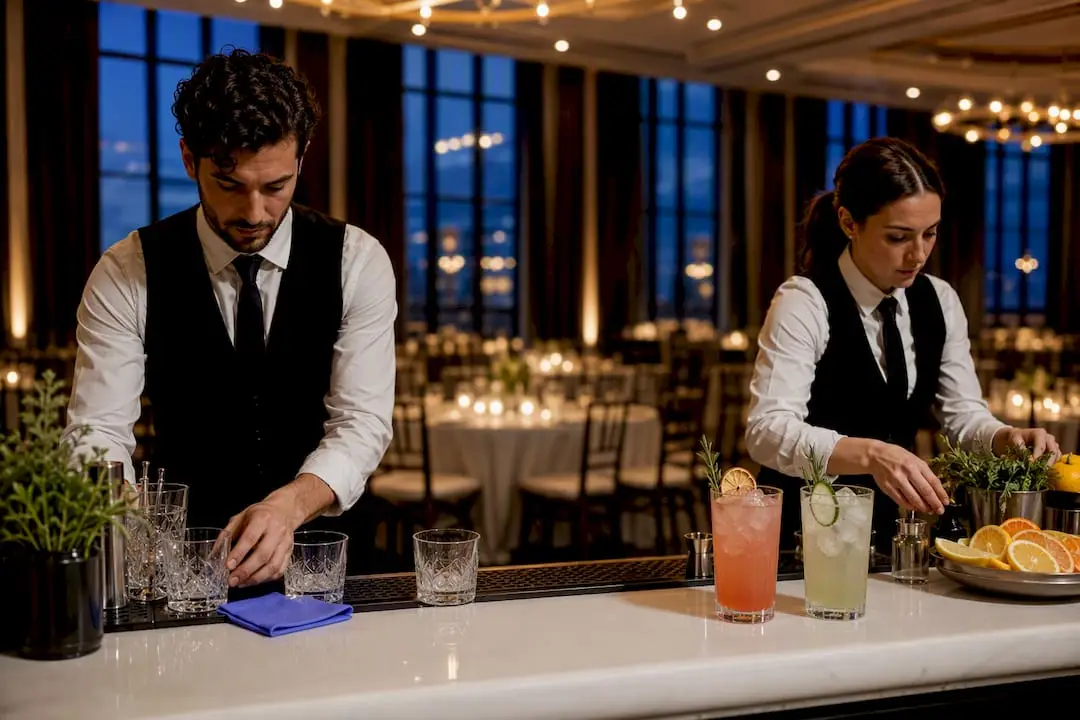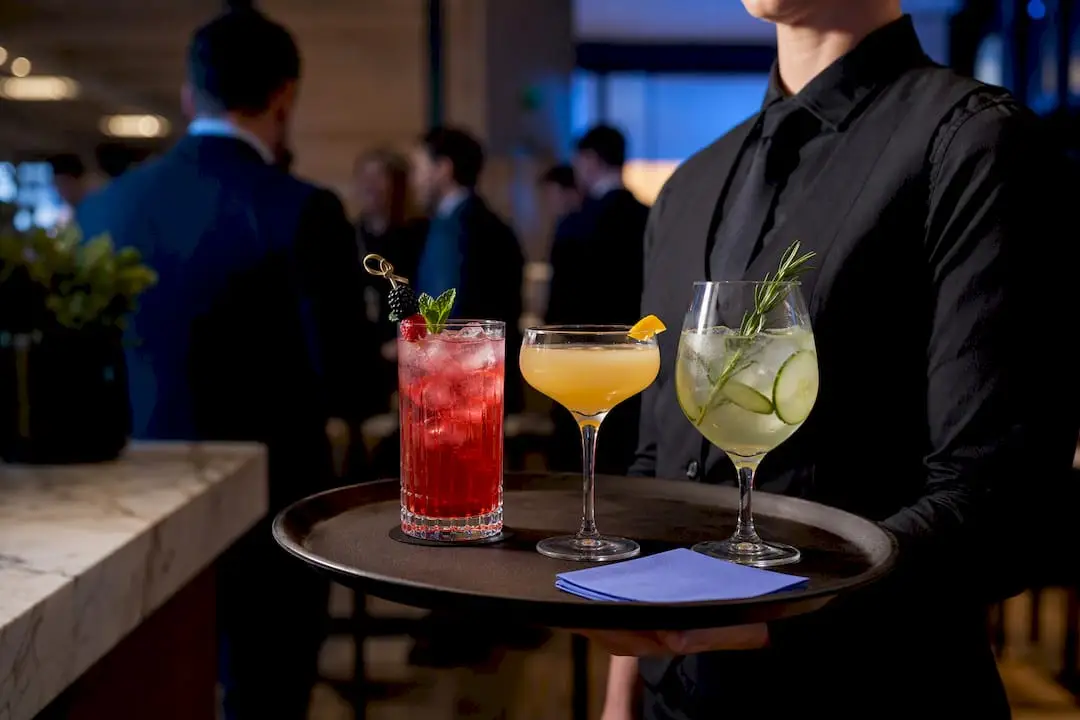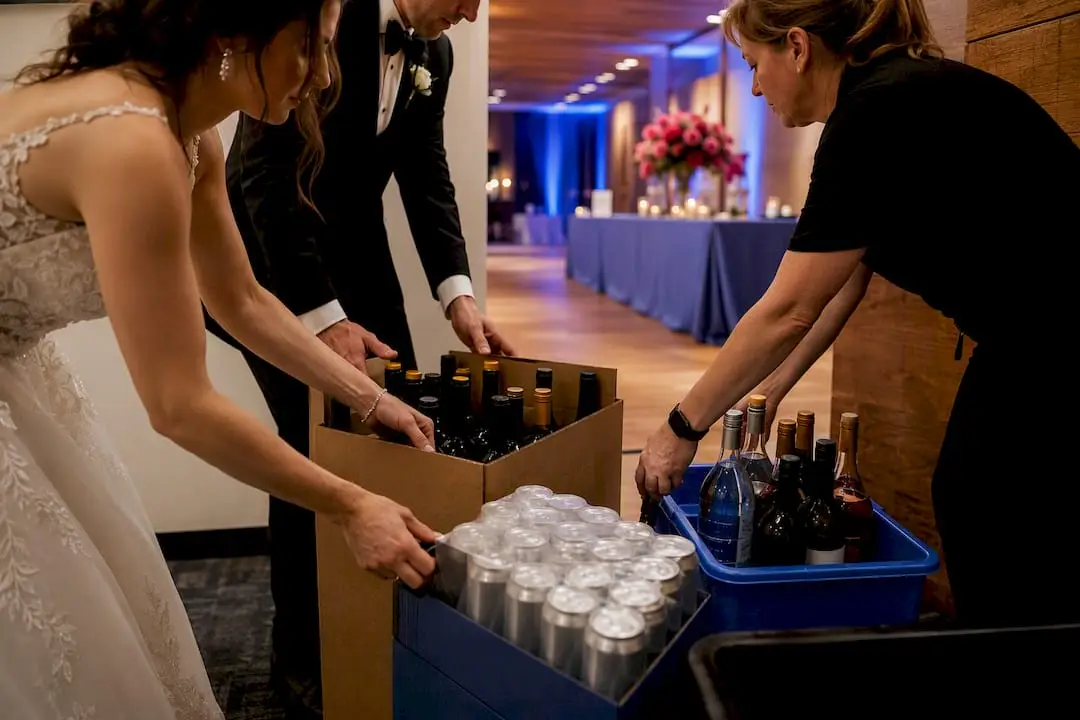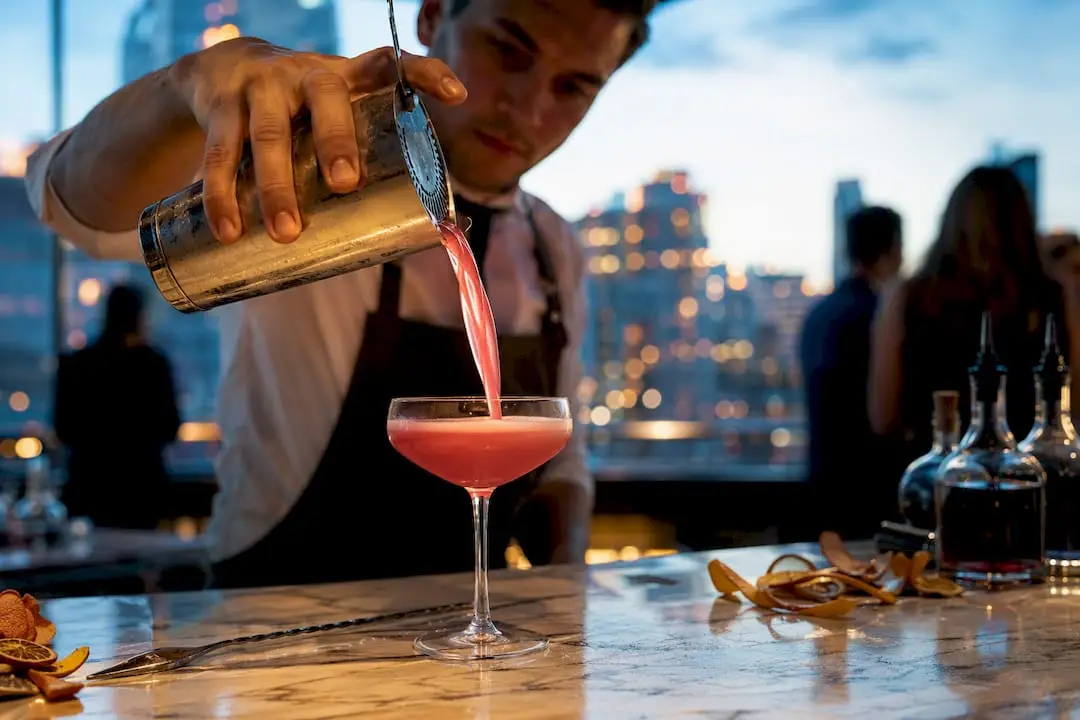
Sixty minutes is the right length for most cocktail hours, though you can push to 90 when portraits or a venue flip demand it. The single biggest factor is whether you’re doing a first look: couples who do one often have 20 to 30 minutes free to actually enjoy their own cocktail hour, while skipping it can eat 40 to 60 minutes in post-ceremony photos alone. Before you lock anything in, check three things with your vendors:
- Photographer: how long portraits realistically take given your family size and locations
- Venue: whether the ceremony and reception spaces need to be physically flipped
- Bar: how many bartenders are booked and whether that matches your guest count
Get those three anchors right and the rest of the cocktail hour timeline falls into place on its own.
Key Takeaways
Cocktail hour length is generally recommended to be around an hour, with adjustments possible depending on photography and venue needs.
| Point | Details |
|---|---|
| Default to 45 to 60 minutes | Extend to 60 to 90 minutes only when portraits, venue flips, or travel require the extra time. |
| First look changes everything | Couples who do a first look often have 20 to 30 minutes free during cocktail hour instead of shooting portraits. |
| Staff at 1:40 to 1:50 | Book roughly one bartender per 40 to 50 guests to handle the arrival rush without long lines. |
| Plan 4 to 6 apps per person per hour | Add a passed round or open a snack station if cocktail hour extends past 75 minutes. |
| Build in two buffers | Leave 15 minutes between ceremony and cocktail hour, and 10 to 15 minutes for the seating call. |
| Book staffing that matches your timeline | Cocktail-crew’s three hour minimum and cocktail calculator let you size bar staff to your actual cocktail hour length instead of a generic package. |
Table of Contents
- What’s the Standard Cocktail Hour Length?
- Does a First Look Really Change Your Cocktail Hour Length?
- Sample Cocktail Hour Timeline Templates You Can Copy
- How Many Bartenders and Appetizers Does Cocktail Hour Need?
- What Keeps Cocktail Hour From Feeling Like Dead Time?
- What Buffers Should You Build Into the Timeline?
- How Does Staffed Bar Service Cut Down on Timeline Friction?
- How Cocktail Crew Turns Your Timeline Into a Staffing Plan
- Sources
What’s the Standard Cocktail Hour Length?
Most wedding planning guides converge on 45 to 60 minutes as the baseline, with 60 to 90 minutes reserved for weddings that need extra time for portraits, a room flip, or a longer travel gap between venues.
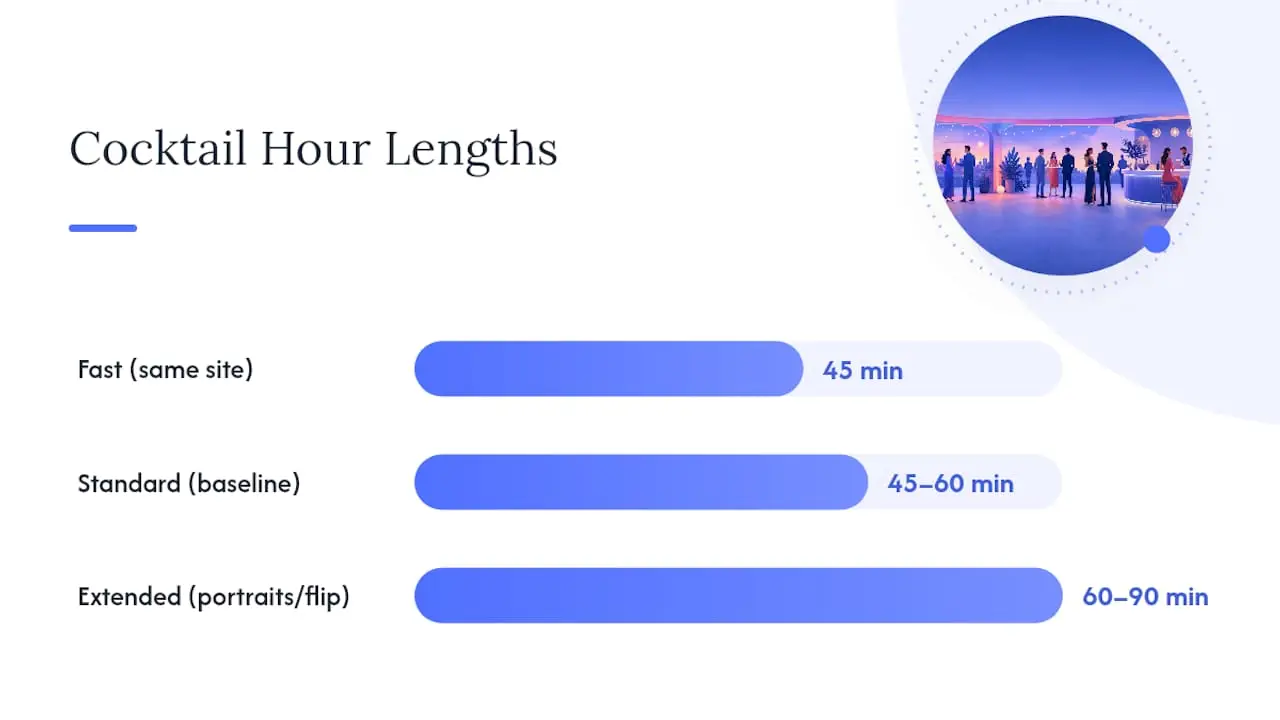
Forty five minutes works when your ceremony and reception happen in the same space, you’ve already done a first look, and your bridal party photos wrapped before the ceremony started. Anything shorter and your bar staff barely gets through the arrival rush before you’re calling everyone to dinner.
Ninety minutes is the outer edge, and it comes with a real cost. Guests who’ve been standing and drinking for an hour and a half start checking watches, and open bar tabs climb fast. If you genuinely need that much time, tell your caterer in advance so they can plan a second or third round of passed apps instead of leaving a half hour of dead air.
Quick answers to the two questions we hear most:
- Is 90 minutes too long? For most weddings, yes. It’s only justified when travel between ceremony and reception sites eats real time, or when a big bridal party needs extensive formal portraits.
- When does cocktail hour actually start? The moment the ceremony ends and guests are directed toward the bar and appetizers, not when the couple arrives. Build a 10 to 15 minute buffer into that transition so nobody’s standing around waiting for a bartender to finish setting up.
The Zola framing that sticks with planners is that cocktail hour is a bridge, not a holding pattern. Treat it like its own mini-event with a clear start and end, and the whole day feels intentional instead of improvised.
Does a First Look Really Change Your Cocktail Hour Length?
Yes, and the difference is bigger than most couples expect. A first look moves your formal portraits, family photos, and bridal party shots earlier in the day, before the ceremony. That means when cocktail hour starts, you’re mostly done shooting.
- With a first look: post-ceremony photo needs typically drop to 15 to 30 minutes, just quick touch-ups or a few shots the officiant’s positioning didn’t allow for.
- Without a first look: everything happens after the ceremony, and portrait sessions commonly run 40 to 60 minutes or longer, especially with large families or multiple blended-family combinations.
- If portraits are likely to run past 45 minutes, plan cocktail hour for at least 75 minutes so guests aren’t left standing around with nothing to do while you’re still shooting.
If your photos wrap early and you did a first look, don’t waste the extra time backstage. Have your coordinator walk you through cocktail hour for 10 to 15 minutes so guests get to congratulate you before dinner starts.
Pro Tip: Give your photographer and coordinator one specific line: “Hold the couple for 10 to 15 minutes before their reception entrance.” That single instruction prevents the awkward moment where the couple is ready but the room isn’t.
Sample Cocktail Hour Timeline Templates You Can Copy
Every wedding day is different, but the bones of a good cocktail hour timeline repeat across formats. Here are three you can adapt directly, based on the same structure planners use to map three and four hour receptions minute by minute.
Template 1: Single venue, first look, 4pm ceremony
- 4:00 to 4:30 — Ceremony
- 4:30 to 4:45 — Guests directed to cocktail area; bar opens
- 4:35 — First passed appetizer round begins
- 5:00 — Couple joins cocktail hour for photos and greetings
- 5:15 — Music tempo shifts, subtle cue that dinner is near
- 5:30 — 15 minute seating call begins
- 5:45 — Guests seated, dinner service starts
Template 2: Single venue, no first look, 3pm ceremony
- 3:00 to 3:30 — Ceremony
- 3:30 to 4:30 — Extended portraits and family photos while guests move to cocktail area
- 3:35 — Bar opens, first appetizer round begins
- 4:15 — Second appetizer round if photos run long
- 4:30 — Couple arrives at cocktail hour for final 15 minutes
- 4:45 — Seating call, transition music begins
- 5:00 — Dinner service starts
Template 3: Multi-venue, first look, travel gap
- 2:00 to 2:30 — Ceremony at Venue A
- 2:30 to 3:15 — Travel window (guests transported or drive independently)
- 3:15 — Cocktail hour opens at Venue B; bar and passed apps begin immediately
- 3:20 — Couple arrives (having used travel time for a few final photos)
- 4:00 — 15 minute seating warning
- 4:15 — Dinner service starts
The fixed points across all three are the seating buffer and the bar opening time. What’s negotiable is everything in between: how many appetizer rounds you run, whether the couple joins early or late, and how much music transition time you build in before the seating call.
How Many Bartenders and Appetizers Does Cocktail Hour Need?
The number that matters most here is your bartender ratio. Industry guidance lands on roughly one bartender per 40 to 50 guests for a full cocktail bar, and that ratio exists because the arrival rush hits all at once. Every guest wants a drink in the first ten minutes, not spread evenly across the hour.
- Use 1:40 if you’re serving a full bar with mixed cocktails, especially anything muddled or shaken to order.
- Use 1:50 if the menu is simpler: beer, wine, and one or two batched signature drinks.
- For a 45 to 60 minute cocktail hour, plan on 2 to 3 drinks per guest; increase the pour or add a bartender if you’re extending past 75 minutes.
Food follows a similar logic. Caterers typically plan for 4 to 6 passed appetizer pieces per person per hour, split between a couple of protein-based options and something vegetarian. If your cocktail hour runs long, don’t just let it drift; give your caterer a trigger, something like “if cocktail hour reaches 75 minutes, add one more passed round,” so they act without you having to send a text mid-event.
A checklist line worth pasting into any vendor email: “We’re planning a [X] minute cocktail hour for [Y] guests; please confirm bartender staffing at 1:40 to 1:50 and appetizer rounds at 4 to 6 pieces per person per hour.”
What Keeps Cocktail Hour From Feeling Like Dead Time?
Music does more work here than most couples realize, as how cocktail hour fits between ceremony and reception influences the timing and mood of the entire event. Wedding-music specialists recommend opening with conversational background music, then nudging the tempo up gradually so the shift into dinner feels natural instead of abrupt. A live trio reads as more upscale; a curated playlist is more flexible if your hour runs short or long.
Layout matters just as much as sound. A few fixes that consistently cut down on bottlenecks:
- Put the bar and food stations on opposite sides of the space, not next to each other
- Add high-top tables near, but not directly in front of, the bar
- Set up a photo booth or tasting station away from main traffic paths
- Skip games that need an announcer or a crowd gathered in one spot; they create the exact congestion you’re trying to avoid
A signature cocktail or mocktail program also speeds up service, since bartenders are pouring a pre-batched drink instead of building each order from scratch.
What Buffers Should You Build Into the Timeline?
Two buffers matter more than any other timing decision: 15 minutes between the ceremony ending and cocktail hour officially starting, and a 10 to 15 minute seating warning before dinner. Both give your vendors room to adjust without the whole day feeling rushed.
- Tell your coordinator: “If we need 10 more minutes for photos, hold the first appetizer round rather than the bar opening.”
- Tell your caterer: “If dinner is ready early, hold plating until the seating call finishes, not before.”
- Add a contingency line to your bartending contract specifying what happens if cocktail hour runs past your booked window, including any overtime rate and whether an extra appetizer round gets triggered automatically.
Pro Tip: Vendors respond fastest to specific, numbered triggers rather than vague requests. “Add a snack station if we hit 90 minutes” beats “let us know if things run long” every time.
How Does Staffed Bar Service Cut Down on Timeline Friction?
A cocktail hour timeline is only as good as the staff executing it. Cocktail-crew’s three hour minimum booking window gives couples flexibility other bartending services don’t, since you’re not locked into a longer block just to secure staffing for a one hour cocktail window.
- Properly staffed bars keep lines short during the 15 minute arrival spike, when nearly every guest wants a drink at once
- Elevated mocktails mean sober-curious guests get something that feels intentional, not an afterthought pulled together at the last minute
- A cocktail calculator helps translate your chosen timeline directly into a shopping list, so you’re not over-ordering or running short mid-hour
Positive reviews and a feature on Shark Tank reflect a track record of bartenders who do more than pour drinks. They read the room, keep the pace moving, and adjust on the fly when a timeline shifts.
Feed your guest count and cocktail hour length into the staffing guidance built for event planners, and you get a bartender count and drink estimate that matches the templates above instead of a generic guess.
A Planner’s Take on Building This Timeline
If there’s one habit that separates a smooth cocktail hour from a chaotic one, it’s writing down the buffers before the wedding week, not improvising them on the day. Thirty days out, confirm your photo plan (first look or not) with your photographer. Confirm bartender count against final guest numbers. Confirm appetizer rounds with your caterer, and give your coordinator the seating-call script seven days out so nobody’s guessing in the moment.
How Cocktail Crew Turns Your Timeline Into a Staffing Plan
Once you’ve locked in a cocktail hour length, the next question is whether your bar service can actually deliver it without lines forming the second the ceremony ends. Cocktail-crew’s three hour minimum is built for exactly this: you’re not paying for a full evening of bartending just to cover a 60 to 90 minute cocktail window, which gives you room to spend more on staffing ratio instead of hours you don’t need.
A few questions worth asking any bartending service before you book, whether it’s Cocktail-crew or otherwise:
- What’s your bartender-to-guest ratio for a cocktail hour our size, and does it change if we’re serving a full bar versus a simpler beer-and-wine setup?
- What’s your contingency plan if cocktail hour runs 15 or 30 minutes past what we booked?
- Do you offer mocktail or elevated non-alcoholic options for sober-curious guests without treating them as an afterthought?
Cocktail-crew’s professional bartending services are built around exactly the staffing ratios and timeline flexibility covered above, and the cocktail calculator turns your guest count and cocktail hour length into a shopping list in a few minutes. Check availability for your date and get a staffing quote that matches your actual timeline, not a generic package.
Sources
- Cocktail Hour: Your Ultimate How-to Guide
- How Long Is Cocktail Hour? The Power of Happy Hour
- Wedding Cocktail Hour Ideas: Food, Drinks, Activities, and Timing (2026) – Paperlust
- Wedding Reception Timeline: Hour-by-Hour Schedule for Every Style | Plan A Wedding