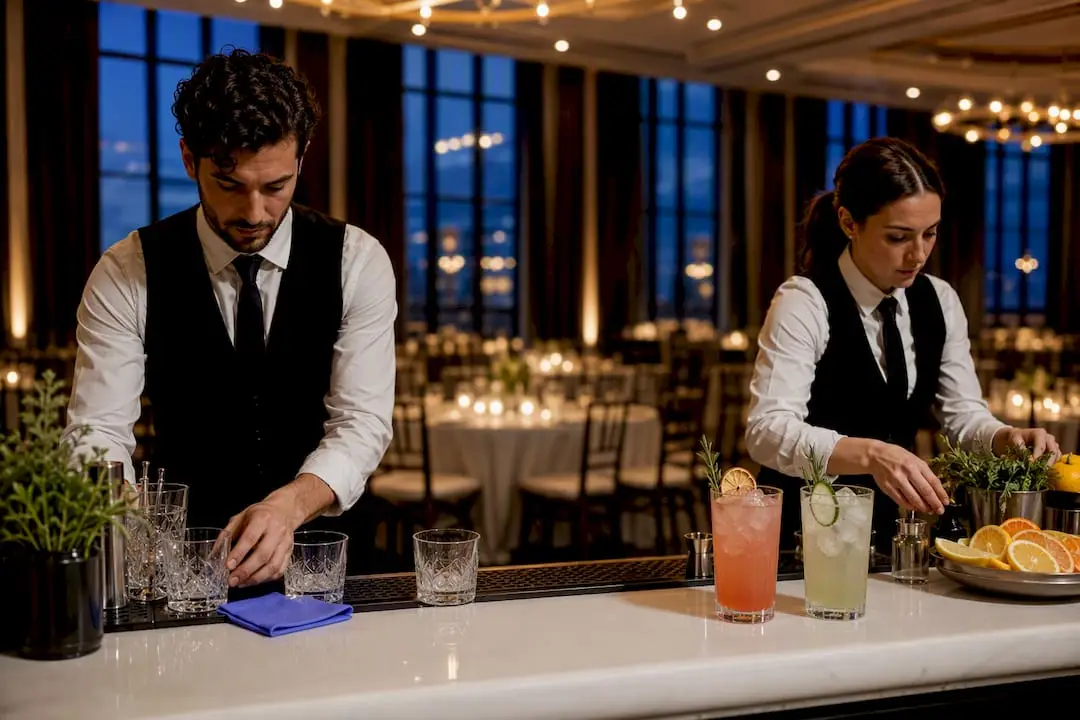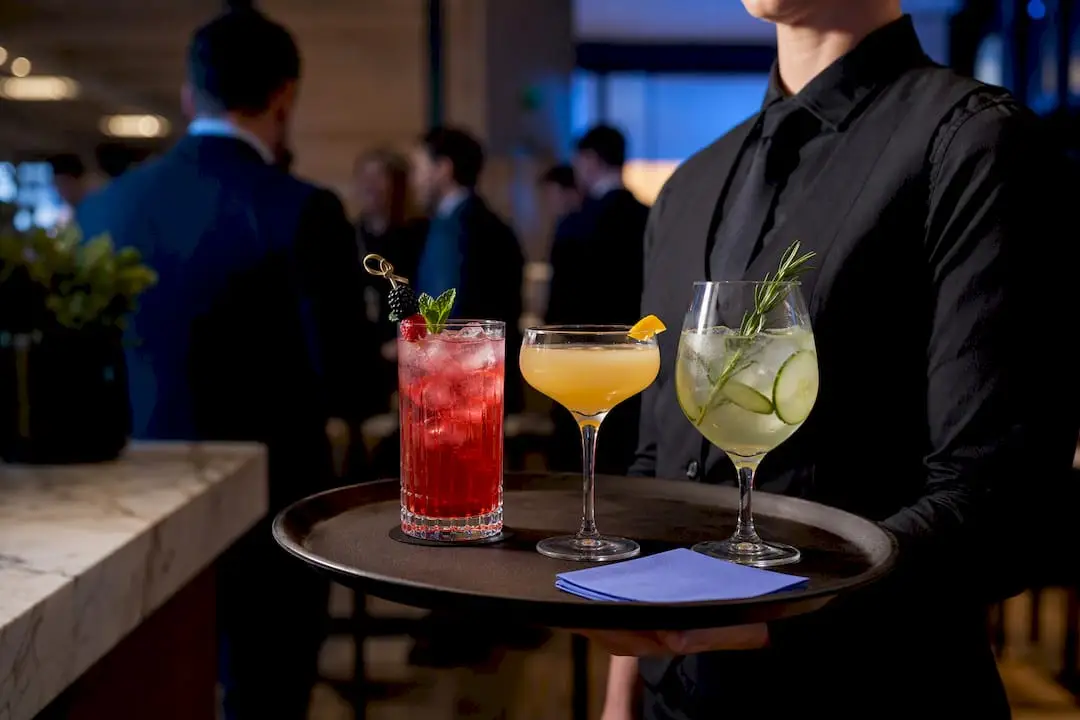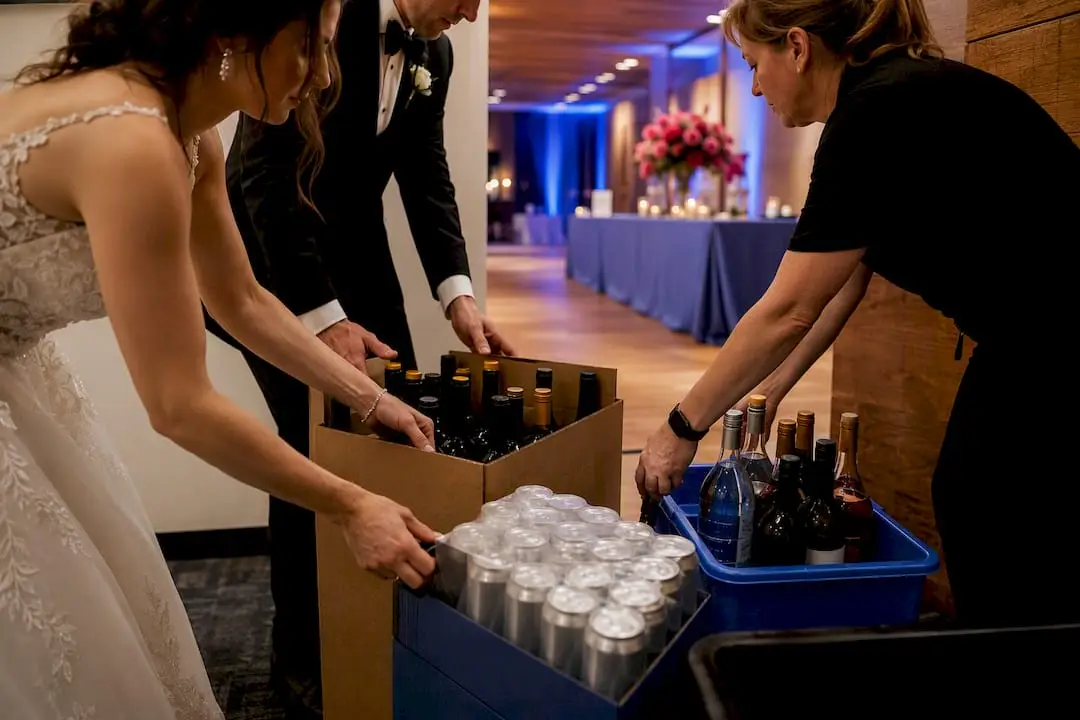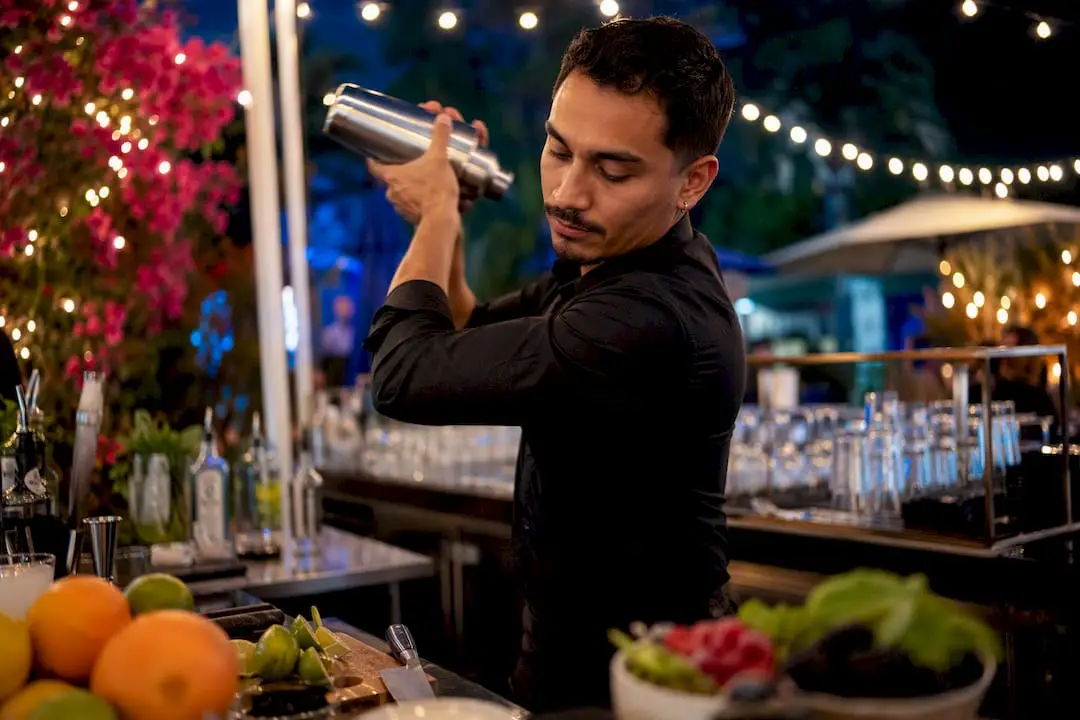
Yes, a staffed bartending service can deliver a fully vegan cocktail program for your event. It takes three things: swapping animal-derived ingredients like egg whites and honey for alternatives such as aquafaba and agave, verifying every bottle against a resource like Barnivore, and planning service logistics so vegan drinks stay clearly labeled and cross-contamination-free. Any bartender worth hiring, including teams like The Cocktail Crew, should already build all three into their process.
TL;DR:
- Verified vegan spirits and ingredients can be confirmed using resources like Barnivore and direct producer contact, which helps avoid non-vegan fining agents.
- Swapping egg whites with aquafaba or honey with agave, and choosing plant-fined wines, effectively creates a fully vegan cocktail menu without sacrificing flavor.
- Proper operational habits, such as labeled “vegan mise en place” and strict separation of vegan and non-vegan tools, prevent cross-contamination during service.
- Mocktail options, including shrub spritzes and aquafaba-based sours, are essential for inclusivity and should be taste-tested and served cold.
- Key questions to ask a bartending service include their vegan product confirmation process, ability to handle aquafaba foams, and their timeline for product verification before the event.
Table of Contents
- Vegan Cocktail Menu Ideas to Request From Your Bartender
- Non-Vegan Ingredients Hiding in Common Cocktails
- Verifying That Spirits, Wine, and Mixers Are Actually Vegan
- Mocktails and Canned Options for Every Guest
- Designing a Menu That Keeps Vegan Drinks Safe and Visible
- Seven Questions to Ask Before You Book a Bartender
- What I’ve Learned Running Vegan Bars at Real Events
- Book a Vegan-Ready Bar Team for Your Next Event
- Sources
Vegan Cocktail Menu Ideas to Request From Your Bartender
You don’t need to write recipes yourself. A trained bartender can build a vegan cocktail menu around classics that already lean plant-based, plus a few smart swaps. Here’s a shortlist to hand your bartending team as a starting point:
- Aquafaba whiskey sour — chickpea brine replaces egg white for the foam; garnish with a lemon twist.
- Classic margarita — tequila, lime, and agave are vegan by default; skip pre-made sour mixes unless confirmed.
- Aperol spritz — Aperol and prosecco are typically vegan, but confirm the specific prosecco label.
- Moscow mule — vodka, ginger beer, and lime need zero modification.
- Espresso martini (vegan version) — swap dairy cream for oat milk foam or aquafaba.
- Paper Plane — bourbon, Aperol, Amaro Nonino, and lemon; check the Amaro brand for honey content.
- Old fashioned — naturally vegan, though some flavored bitters use non-vegan sweeteners worth checking.
For elevated mocktails, a botanical tonic mocktail, a shrub-based spritz, and a quality canned mocktail option round out a menu that treats sober-curious guests as a real priority, not an afterthought.
Non-Vegan Ingredients Hiding in Common Cocktails
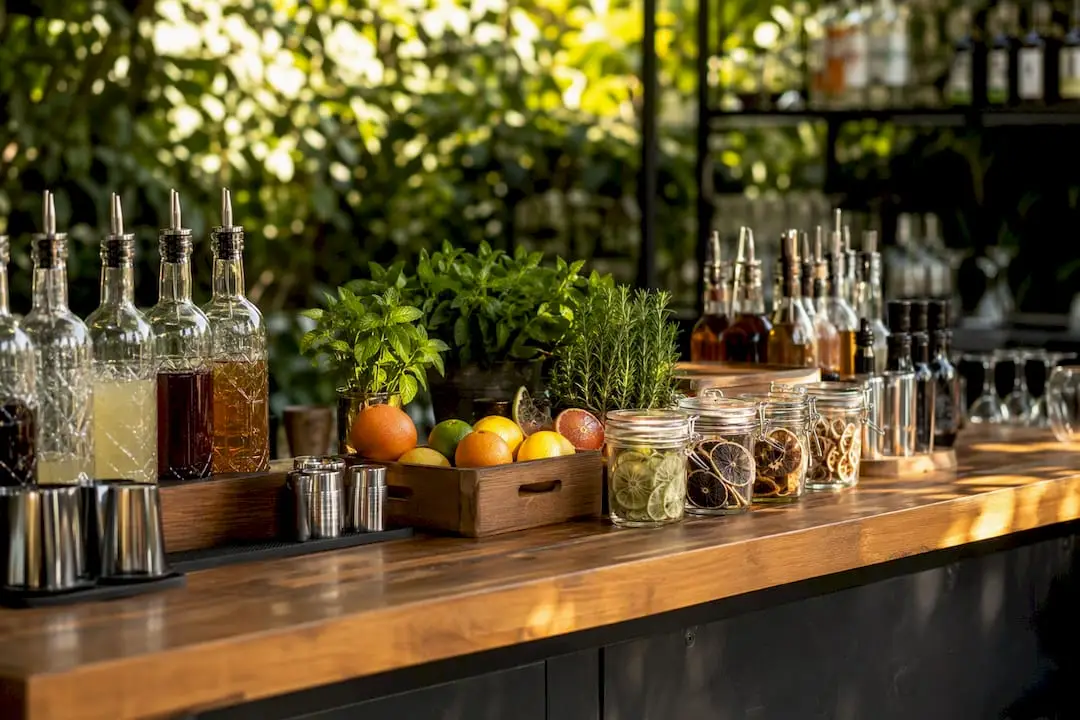
Most trouble starts with ingredients that don’t announce themselves. Egg whites show up in sours and fizzes. Cream liqueurs, honey syrups, and certain amari carry dairy or honey. Grenadine sometimes contains carmine, a red dye made from crushed cochineal insects, and some wines and beers use gelatin or isinglass (derived from fish bladders) as fining agents to clarify the liquid before bottling. None of that appears on a typical cocktail menu, which is exactly why it catches hosts off guard.
The fixes are specific and easy for a trained bartender to execute:
- Aquafaba replaces egg white at roughly 30 ml per egg white, and the resulting foam holds up to a dry-shake technique almost identically.
- Agave or maple syrup swaps 1:1 for honey in almost any recipe.
- Coconut cream substitutes for heavy cream in richer cocktails without throwing off texture.
- Plant-fined wines avoid the gelatin and isinglass issue entirely; ask your supplier for confirmation.
Fat-washing (infusing spirits with fats like butter or bacon) and Worcestershire sauce, which typically contains anchovies, are two less-obvious culprits bartenders should screen out during menu planning, not during service.
Pro Tip: Ask your bartending team whether they keep a labeled “vegan mise en place,” meaning separate bottles, garnishes, and tools reserved for vegan drinks. It’s a small operational habit that prevents a huge number of last-minute mistakes.
Verifying That Spirits, Wine, and Mixers Are Actually Vegan
Unflavored spirits like vodka, gin, tequila, and most whiskeys are generally vegan because distillation strips out the ingredients that would cause a problem. Flavored liqueurs, cream-based products, and some wines are where things get murky, especially since U.S. alcohol labels aren’t required to disclose fining agents or full ingredient lists.
Here’s the verification workflow a competent event bartending team should already run:
- Check a database first. Barnivore catalogs thousands of vegan and non-vegan alcoholic products and is the fastest way to screen a shopping list.
- Read every label carefully, especially on cream liqueurs, flavored vodkas, and specialty amari.
- Contact the producer directly for anything ambiguous. A quick email or phone call resolves most fining-agent questions.
- Keep written confirmation on file so nothing gets second-guessed the week of the event.
Build in several weeks’ buffer before the event date to sample bottles and lock confirmations, and keep a backup list of vegan substitutes in case a supplier swaps a product last minute.
Mocktails and Canned Options for Every Guest
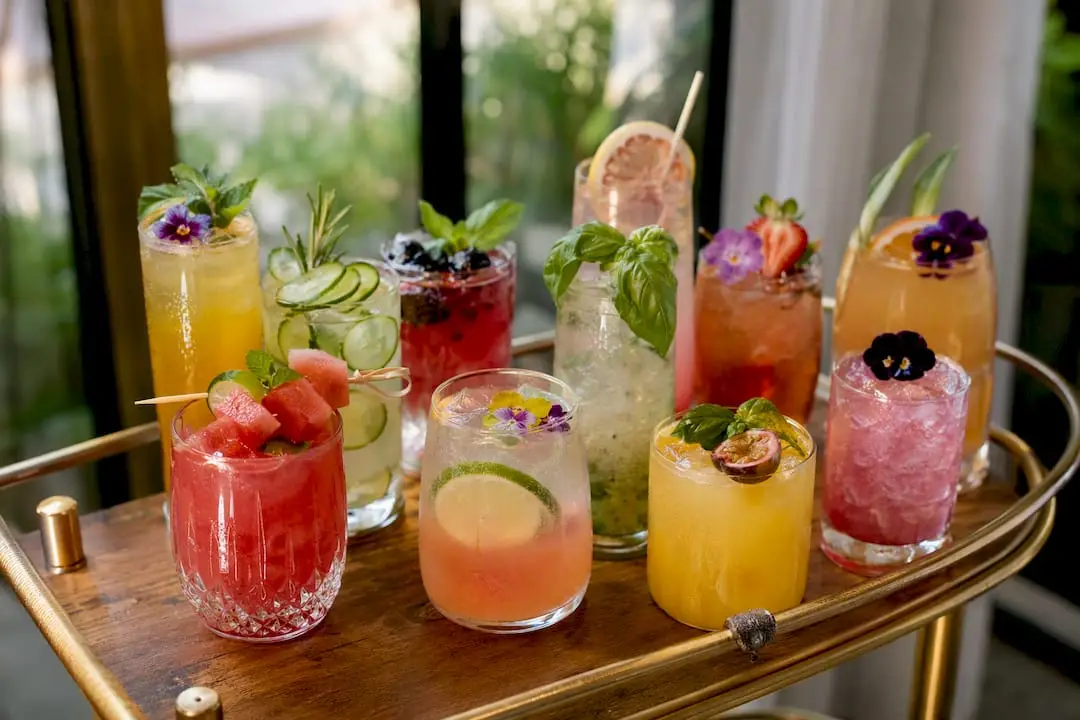
A vegan cocktail program isn’t complete without a mocktail list that feels just as intentional. Sober-curious guests, designated drivers, and pregnant attendees deserve drinks built with the same care as the cocktail menu, not a lonely soda water sitting at the end of the bar.
Four mocktail concepts work well across most event types:
- A shrub-based spritz with fruit vinegar and soda water for acidity without alcohol.
- A clarified citrus cooler, which looks striking and holds up over a long reception.
- A botanical tonic mocktail built on herbal syrups and premium tonic water.
- An aquafaba-based mock sour, using the same foam technique as its boozy counterpart.
Stock two or three canned mocktail styles as backup for high-volume moments. Whichever option you serve, taste-test every can ahead of time and chill it to the correct temperature. A warm canned mocktail is a bad first impression, full stop. Pairing a dedicated mocktail station with printed suggestions on the main menu signals these drinks aren’t an afterthought.
Designing a Menu That Keeps Vegan Drinks Safe and Visible
A printed menu should mark vegan options clearly, whether that’s a small “V” icon or a short legend at the bottom of the card. Guests shouldn’t have to ask twice, and staff shouldn’t have to guess.
Behind the bar, a few operational rules prevent slip-ups:
- Store vegan mixers and garnishes separately from dairy-based or honey-based products.
- Use dedicated shaker tins, strainers, and garnish picks for vegan drinks during high-volume service.
- Brief every bartender on the vegan menu items before doors open, not mid-shift.
- Sequence vegan drinks first when a shaker or tool has to be reused, to avoid any cross-use.
Staffing matters here too. Mixed menus with both vegan and non-vegan options generally need the same bartender-to-guest ratio as a standard event, but aquafaba-foamed drinks take longer to shake and pour, so build in extra prep time if more than a couple of items rely on that technique.
Seven Questions to Ask Before You Book a Bartender
Before signing with any bartending service, run through this checklist:
- Do you maintain a vegan mise en place, and can you provide product confirmations in writing? A confident yes with documentation is the answer you want.
- Which spirits and liqueurs on your standard list are already confirmed vegan?
- How do you handle aquafaba foams, and has your team used the dry-shake technique before?
- Can you build a dedicated mocktail menu, including canned options?
- How do you prevent cross-contamination between vegan and non-vegan drinks during service?
- What’s your timeline for confirming vegan status on any new products we add to the menu?
- Can we get a tasting or sample menu before the event?
Vague answers, or a bartender who’s never heard of aquafaba, are red flags worth taking seriously.
What I’ve Learned Running Vegan Bars at Real Events
The biggest mistake I see hosts make is treating “vegan options” as an apology instead of a feature. At one wedding, an aquafaba sour outsold the classic version three to one once guests realized it looked and tasted just as good. At a corporate launch, a labeled mocktail station got more foot traffic than the main bar for the first hour. When a bartending team actually knows the swaps, cold, guests never notice a workaround. They just notice a good drink.
— Nelson
Book a Vegan-Ready Bar Team for Your Next Event
The Cocktail Crew builds vegan capability into every event package, not as an add-on. That means bartenders trained on aquafaba technique, product confirmations ready before your event date, and a flexible three-hour minimum that works whether you’re planning a wedding reception or a corporate happy hour.
Ask for a sample vegan menu when you request a quote, and you’ll get real drink names, confirmed vegan spirits, and mocktail pairings, not a vague promise. If you’re ready to lock in a team that treats plant-based guests as a priority, start with private event bartending and tell us your guest count and vegan needs upfront.
Sources
- Is Alcohol Vegan? | Healthline
- Non-Vegan Ingredients You May Find in Your Cocktail – A Bar Above
- Allergies & Dietary Restrictions in Cocktails — CocktailFYI