A team-building cocktail class is an interactive, expert-led session where a professional bartender teaches your group to make real drinks while forcing them to communicate, split tasks, and laugh at each other’s garnish skills. For most planners, the fastest path to a polished, inclusive event is booking a private mixology session with an experienced provider like The Cocktail Crew, rather than assembling one from scratch.
Three things make this the right call for most teams:
- Capacity: private sessions flex from a handful of people to a full department.
- Format: in-person or virtual, depending on where your team sits.
- Inclusivity: craft mocktails mean nobody sits out.
Check your date’s availability and minimum guest count before you lock in a headcount with leadership.
Key Takeaways
Booking an expert-led, inclusive mixology class with clear staffing and a mocktail-forward menu is what separates a memorable corporate event from a forgettable one.
| Point | Details |
|---|---|
| Pick format before theme | Decide onsite, curated venue, or virtual based on headcount and location before choosing a cocktail theme. |
| Budget 20 square feet per person | Confirm venue space against this benchmark before finalizing guest count for an onsite session. |
| Plan for 90 minutes | Most corporate groups fit comfortably into a 90-minute session with time for two cocktails and a wrap-up. |
| Build mocktails into the core menu | Treat non-alcoholic options as a real menu item, not a fallback, to keep every participant engaged. |
| Book The Cocktail Crew for turnkey service | A three-hour minimum, professional bartenders, and a cocktail calculator make booking and planning straightforward. |
Where to Go Next
Request a sample agenda and a full kit contents list before you confirm any date, so there are no surprises on session day.
Start with The Cocktail Crew’s main booking page or go straight to the private cocktail class page for logistics and lead-time details.
Table of Contents
- What Is a Team-Building Cocktail Class?
- Why Mixology Classes Work for Team Building
- In-Person or Virtual: Which Format Fits Your Team?
- What’s Included and What a Session Actually Looks Like
- What Does a Corporate Cocktail Class Cost?
- What Should You Ask Before Booking a Provider?
- Making Sessions Work for Non-Drinkers and Every Ability Level
- What Planners Consistently Get Wrong About These Events
- Book Your Team’s Cocktail Class With The Cocktail Crew
- Frequently Asked Questions
What Is a Team-Building Cocktail Class?
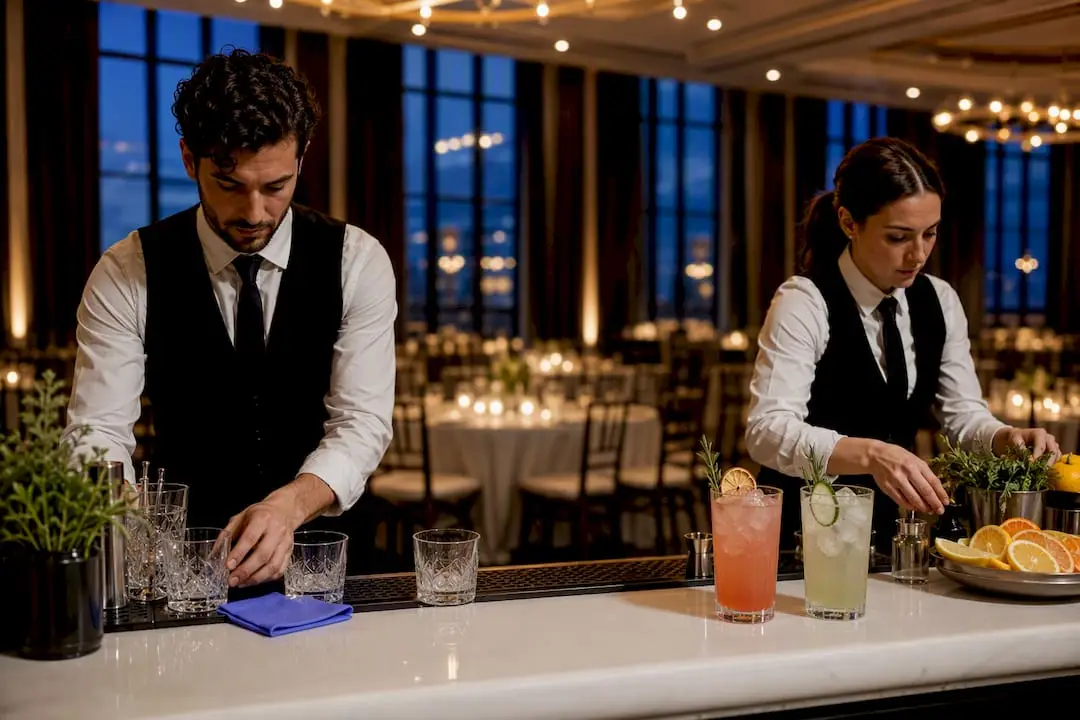
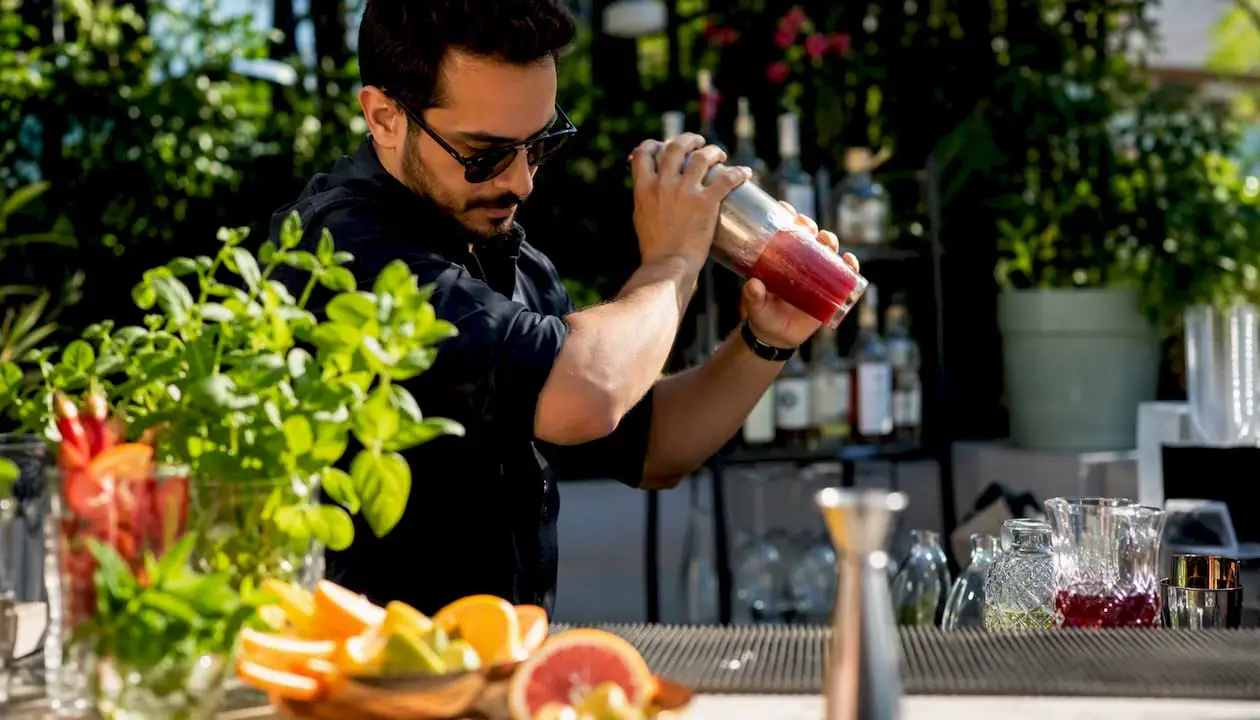
A corporate mixology class is hands-on instruction led by a professional bartender, built around the goal of getting a group to work together while making drinks. It’s not a lecture. Everyone shakes, strains, and garnishes something themselves.
Three formats dominate the market: a private onsite session where a bartender brings the bar to your office or venue, a curated experience at a bar or distillery, and a virtual class where kits ship to remote employees ahead of a live video session. Most sessions run participants through several cocktails apiece, with printed recipe cards or a digital PDF to take home.
Common session themes include:
- Classic cocktail fundamentals (Old Fashioned, Daiquiri, Whiskey Sour)
- A signature cocktail challenge where teams invent and name their own drink
- A mocktail-focused session for alcohol-free offices or daytime events
Why Mixology Classes Work for Team Building?
The mechanics of a cocktail class map almost perfectly onto what makes a team-building activity actually land: shared tasks with a clear outcome, low stakes, and enough structure that quiet people have a role. Measuring syrup, straining a shake, plating a garnish. Someone always ends up teaching someone else.
Here’s what shows up consistently:
- Collaboration: stations force pairs or small groups to divide roles.
- Communication: recipes require someone to read steps aloud while another executes.
- Creative problem solving: signature-cocktail challenges reward invention, not just following instructions.
- Low-pressure bonding: nobody’s performance review depends on their Daiquiri.
Short competitions where teams tweak the same base recipe tend to spark collaboration without the awkward pressure of a full contest. And because taste, smell, and touch are all engaged at once, these sessions tend to stick in people’s memory longer than a standard offsite icebreaker.
Pro Tip: If your culture leans collaborative rather than competitive, ask the provider to skip the “best cocktail wins” format and run a shared build instead, where every station contributes to one final menu.
In-Person or Virtual: Which Format Fits Your Team?
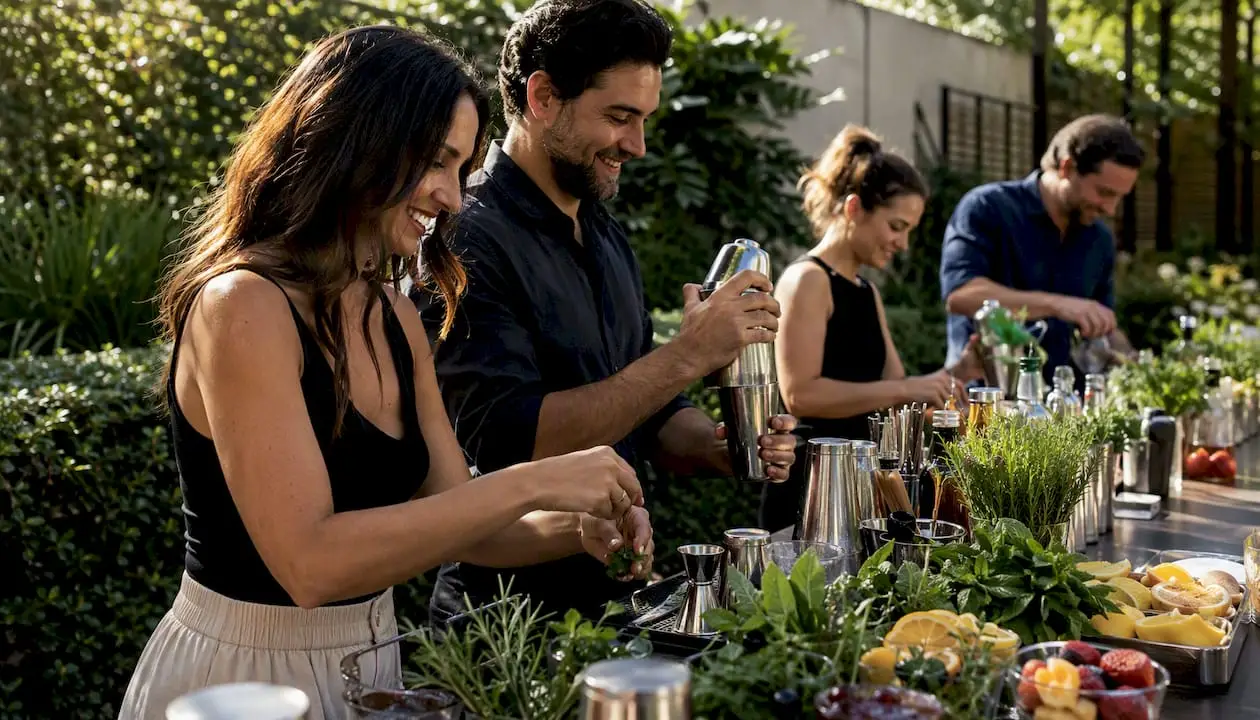
Onsite private sessions give you the most control: a bartender sets up in your office, conference room, or rented venue, and your team never has to travel. Curated venue experiences work well for a smaller group that wants a built-in atmosphere. Virtual sessions with shipped cocktail kits are the only real option for distributed teams, and they work best when the provider runs a quick kit check at the start so nobody’s fumbling for a jigger mid-instruction.
Space matters more than most planners expect. Mixology programs generally recommend about 20 square feet per participant so people can move behind a bar station without bumping elbows. That number gets tight fast in a standard conference room once you pass 15 or 20 guests.
Duration options usually break down into:
- 60 minutes: tight, best for smaller groups or a lunch-hour add-on.
- 90 minutes: the sweet spot for most corporate groups, per industry vendor data.
- 120 minutes: works for larger groups or when food pairings are included.
Before you book, confirm: power and water access, table setup, AV support if it’s a hybrid session, and how much lead time the provider needs to ship kits for remote staff.
What’s Included and What a Session Actually Looks Like?
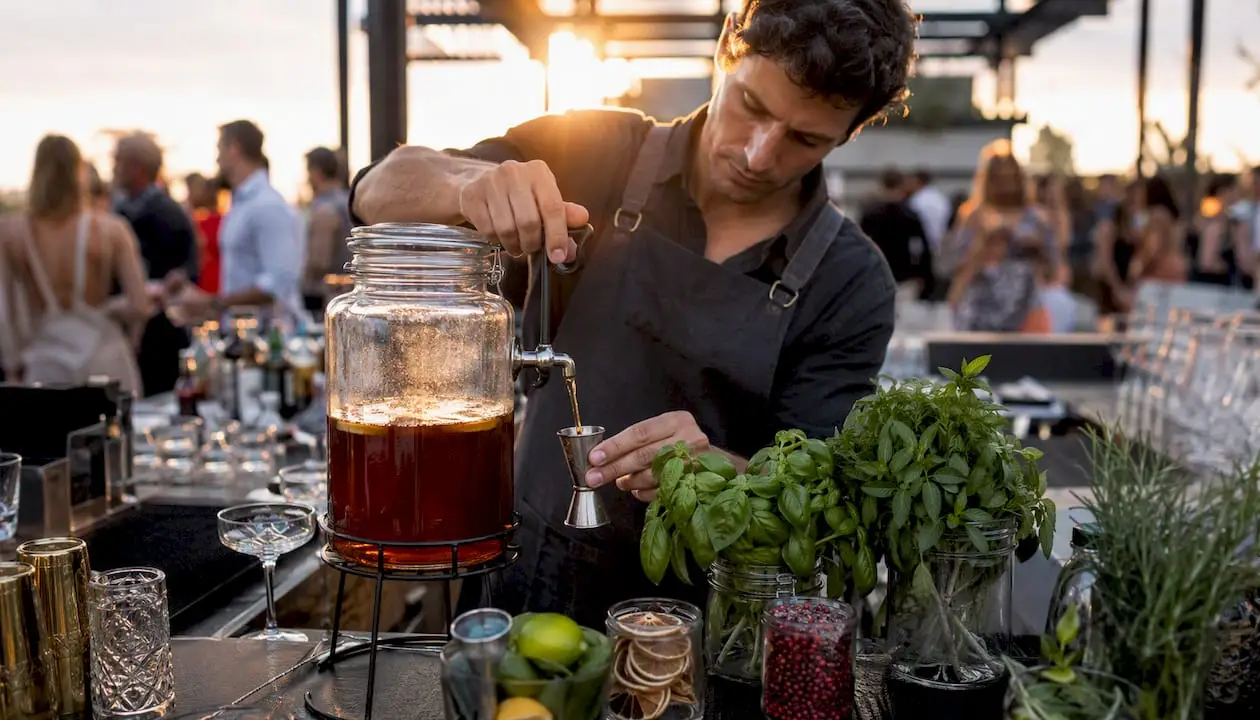
A well-run package includes an instructor (sometimes two for larger groups), all bar tools, premium mixers, a garnish kit, and either printed recipe cards or a digital takeaway. Most sessions include two to four tasting pours per person, with a mocktail option built in from the start rather than being bolted on as an afterthought.
A tight 90-minute agenda usually looks like this:
- 0 to 10 minutes: welcome, safety basics, station assignments
- 10 to 30 minutes: instructor demo of the first cocktail
- 30 to 60 minutes: hands-on making, working in pairs or small teams
- 60 to 80 minutes: second cocktail or signature challenge
- 80 to 90 minutes: tasting, wrap-up, recipe cards distributed
A 60-minute version compresses this into one demo and one hands-on round, similar to the structure of many public mixology classes, which teach around four cocktails across roughly two hours when the format allows more time.
Common add-ons include branded glassware, small prizes for a signature-cocktail contest, food pairings, and occasionally a distillery tour where the venue allows it. Get staffing ratios, allergy accommodations, and cleanup responsibility confirmed in writing before you sign anything.
What Does a Corporate Cocktail Class Cost?
Pricing generally falls into three shapes: per-person rates, a flat event fee, or an hourly rate with a minimum booking window (commonly three hours for private bartending services). Per-person models scale cleanly with headcount but can get expensive fast for larger groups; flat fees work better once you’re past 25 or 30 people.
Costs climb when you add premium spirits, staff travel to a non-standard venue, a second instructor for large groups, private venue rental, branded merchandise, or kit shipping for remote virtual attendees. Comparable public workshop pricing, like the roughly €40-per-person European workshop model, gives a useful low-end benchmark, though private corporate sessions with dedicated instructors typically run higher.
Think in three rough bands when budgeting: a lean package with house spirits and shared stations, a mid-tier package with premium mixers and full staffing, and a premium package with branded add-ons, food pairings, and a private venue.
Pro Tip: Ask about batch cocktails for larger groups. Pre-batching a base mix cuts prep time and lets your provider run more stations with the same staff, which often brings the per-person cost down without cutting the experience.
What Should You Ask Before Booking a Provider?
Ten questions separate a smooth booking from a scramble two days out:
- What’s your minimum group size and how far ahead should we book?
- What’s the staffing ratio, and does that change above 20 or 30 guests?
- Can the agenda be customized to our group’s goals (bonding vs. skill-building)?
- What’s your mocktail plan, and is it built in or an upcharge?
- Do you carry liability insurance for onsite events?
- What’s your cancellation and refund policy?
- What’s included in the base price versus billed as an add-on?
- Can you share reviews or references from past corporate clients?
- For virtual sessions, what exactly is in the kit, and when does it ship?
- Who handles setup and teardown?
Vague answers on minimums, staffing, or mocktails are the clearest red flag a provider hasn’t run many corporate events. For peak seasons like the December holidays or graduation-adjacent spring dates, book at least four to six weeks out.
Making Sessions Work for Non-Drinkers and Every Ability Level
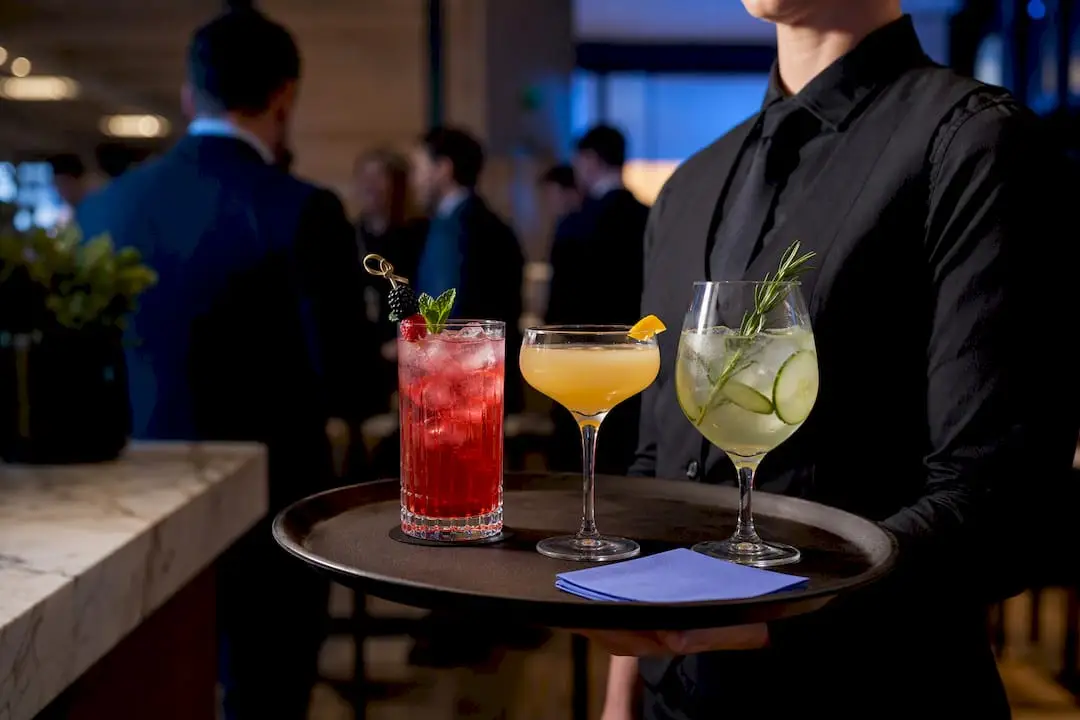
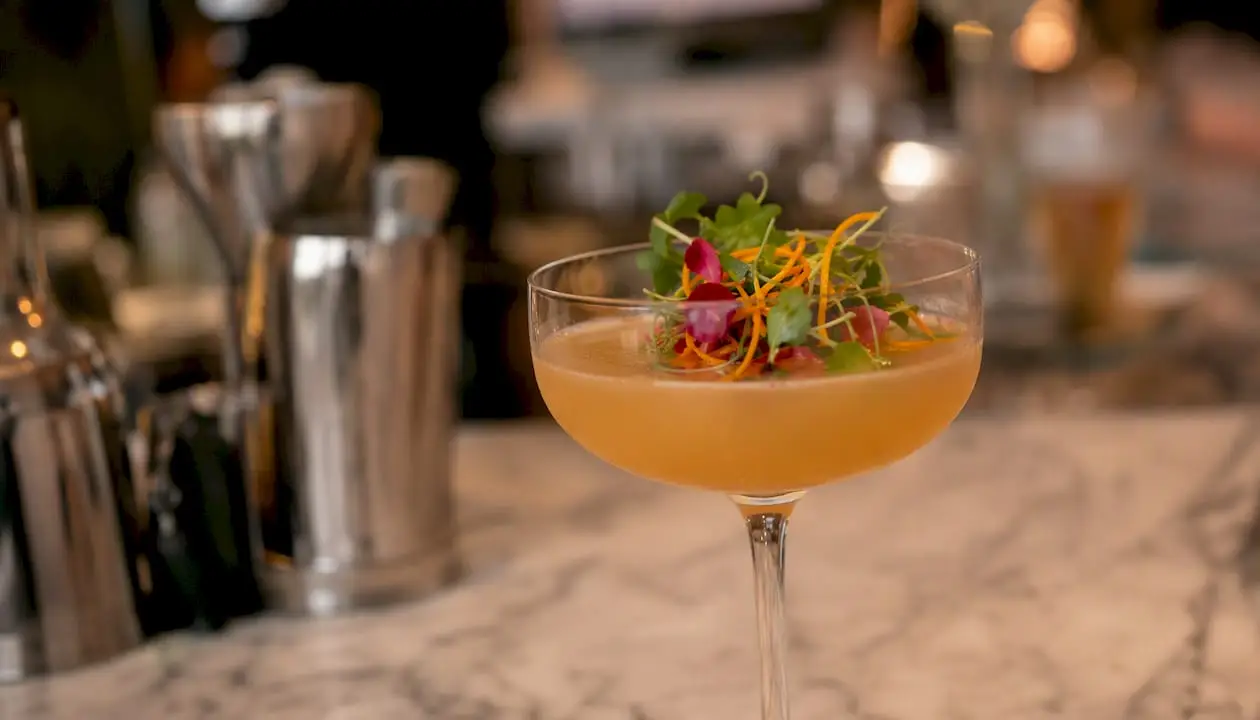
The single biggest mistake planners make is treating mocktails as an afterthought instead of a real menu. Craft-forward, elevated mocktails let non-drinking participants go through the exact same creative process, from shaking to garnishing, as everyone else. This is increasingly standard practice among experienced providers, not a special accommodation.
Ask every attendee about dietary restrictions and allergies before the event, and make sure garnishes and mixers are clearly labeled at each station. For mobility or sensory considerations, confirm the provider can adjust station height or offer seated alternatives.
Pro Tip: Request a mocktail-forward menu and ask your provider for a cocktail calculator so you can plan exact quantities and avoid over-ordering ingredients nobody touches.
What Planners Consistently Get Wrong About These Events
Most guides to corporate mixology classes spend all their energy on the fun part, the drinks, and almost none on the two things that actually determine whether the event succeeds: staffing ratios and mocktail planning. I’d argue those two variables predict a good outcome far better than which cocktails end up on the menu.
The conventional advice tells planners to pick a theme first. That’s backwards. Pick your format and headcount first, confirm the provider can actually staff it properly, and only then get creative with the cocktail list. A gorgeous signature-cocktail challenge falls flat if there’s one bartender running twenty-five people through a single station.
The other overlooked piece: treating mocktails as a checkbox rather than a real menu item quietly excludes a chunk of most teams, whether for religious reasons, personal choice, or simply not drinking at work events. A provider who builds mocktails into the core menu, rather than offering “just soda water” as the fallback, is doing the inclusivity work that actually matters. Everything else, glassware, branding, distillery tours, is decoration on top of that foundation.
Book Your Team’s Cocktail Class With The Cocktail Crew
If the checklist above left you wanting one less decision to make, that’s exactly the gap The Cocktail Crew fills. Instead of coordinating a bartender, a venue, mocktail options, and a cleanup crew separately, you book one team that handles all of it.
Here’s what that gets you:
- Professional, charismatic bartenders who run the class and keep the room engaged, not just pour drinks.
- A three-hour minimum that gives you real flexibility to build the agenda around your team’s schedule instead of squeezing everything into a rigid slot.
- Turnkey setup and teardown, so your staff isn’t hauling ice and glassware afterward.
- Elevated mocktail expertise built into the menu from the start, not offered as an afterthought.
- A cocktail calculator for planning exact quantities before you order a single bottle.
Booking runs in three steps: request a quote for your date and headcount, confirm the private cocktail class details and agenda, then lock the date with a deposit. The Cocktail Crew’s reputation, built on strong client reviews and a feature on Shark Tank, is worth checking directly on their site before you commit to any provider. Start by requesting a quote for your team’s date and headcount.
Frequently Asked Questions
How long does a team-building cocktail class run?
Most sessions run between 60 and 90 minutes in length, which typically includes making two cocktails plus tasting and a wrap-up.
What’s the minimum group size for a private session?
Minimums vary by provider, so confirm this directly, but many private bartending services set a three-hour minimum booking window rather than a strict headcount floor.
Can everyone participate if some team members don’t drink?
Yes. A well-planned session builds craft mocktails into the core menu so non-drinkers make and taste drinks alongside everyone else.
What happens if we need to cancel or reschedule?
Cancellation terms vary by provider, so get the policy in writing during booking, including any deposit refund conditions.
Is there an age limit for these sessions?
Alcohol-based sessions typically require all participants to be 21 or older in the United States; ask about a fully non-alcoholic version if your group includes younger attendees.
Do virtual sessions need any special equipment?
Just a stable video connection and the shipped kit; confirm ship dates early since kits typically need a few days’ lead time to arrive before the session.