Plan for 2 drinks per guest in the first hour, then 1 drink per guest for each additional hour. That’s the formula event pros and caterers use across the country. For a 4-hour party with 50 guests, that works out to 200 drinks total: 50 × (2 in the first hour + 1 per each of the next 3 hours) = 2 + 1 + 1 + 1 = 5 drinks per person × 50 = 250 drinks. However, with the per-hour calculation, standard event planning guides recommend estimating 200 drinks for this scenario by following the commonly used 2+1 formula (2 drinks in the first hour, then 1 additional drink for each remaining hour per guest).
Before you start building a shopping list, a few quick conversions:
-
A standard 12-oz beer = 1 drink; a case of 24 cans covers 24 servings
-
A 750ml wine bottle pours roughly 5 glasses, so 50 wine drinks = 10 bottles
-
A 750ml spirit bottle yields about 14 cocktail servings at a standard 1.5-oz pour
-
One U.S. standard drink contains 0.6 fl oz of pure ethanol
Calculate your total, round up to the nearest full case or bottle, then add non-alcoholic options for the significant portion of guests who won’t be drinking alcohol.
Table of Contents
-
How many drinks per person does the formula actually predict?
-
How should you adjust for weddings and other specific events?
How many drinks per person does the formula actually predict?
The 2+1 rule works because of how people actually drink at parties. Guests arrive a little thirsty, a little social, and they front-load. The first hour is almost always the fastest. After that, consumption settles into a steady one-drink-per-hour pace for most adults.
Here’s what that looks like across common event lengths:
| Event Duration | Drinks Per Person | 50 Guests Total | 25 Guests Total |
|---|---|---|---|
| 1 hour | 2 | 100 | 50 |
| 2 hours | 3 | 150 | 75 |
| 3 hours | 4 | 200 | 100 |
| 4 hours | 5 | 250 | 125 |
| 5 hours | 6 | 300 | 150 |
| 6 hours | 7 | 350 | 175 |
This table follows the 2+1 rule, where drinks per person over event duration is calculated by 2 drinks for the first hour plus 1 drink per each additional hour.
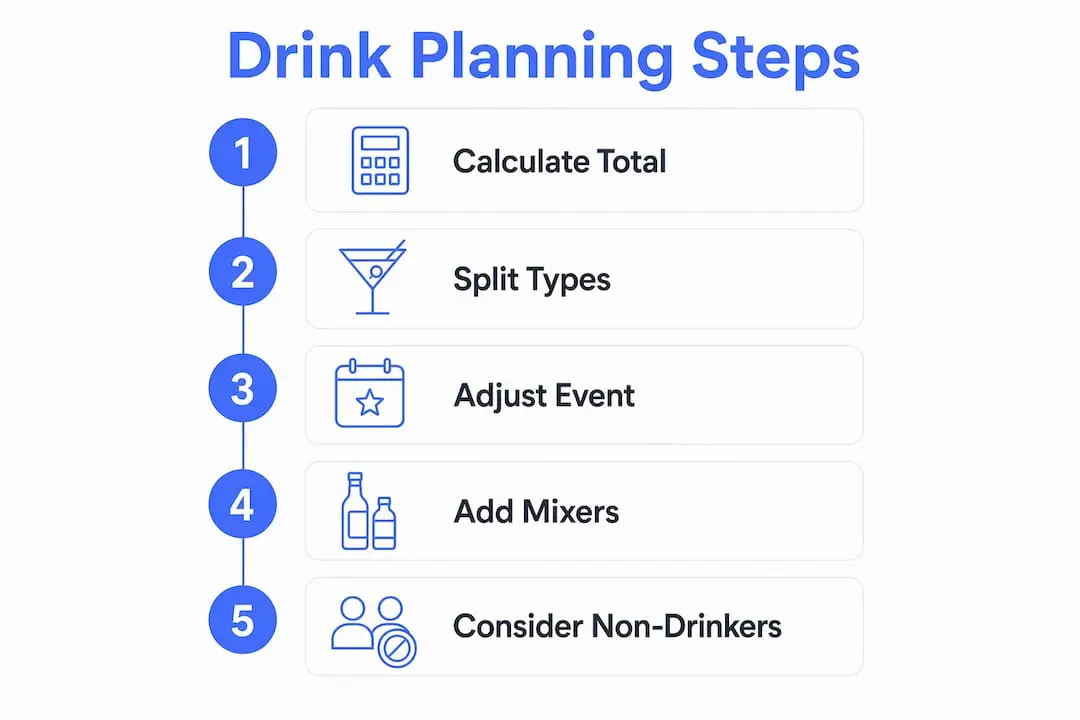
A few factors push these numbers up or down. Hot outdoor weather drives faster consumption, especially beer. A crowd skewing younger (mid-20s to mid-30s) tends to drink more than a mixed-age group that includes older adults and families. Food slows things down considerably — a sit-down dinner can cut per-hour consumption nearly in half compared to a standing cocktail hour. Morning and early-afternoon events (brunch, baby showers, daytime graduations) typically run 30–40% lower than evening events.
One nuance worth flagging: the formula assumes all guests drink. If you know your crowd well and expect a meaningful number of non-drinkers, apply the formula only to your estimated drinking guests. For a 50-person party where you expect 35 drinkers, your baseline drops to 175 drinks before rounding.
Pro Tip: Split multi-phase events into separate calculations. A 2-hour cocktail hour followed by a 3-hour dinner reception isn’t a flat 5-hour event. Apply the full 2+1 formula to the cocktail hour, then use a lower rate (closer to 0.75 drinks per person per hour) for the seated dinner portion, where consumption naturally slows.
How do you turn a drink total into a shopping list?
Once you have a total drink count, the next step is converting it into bottles, cans, and cases. Here’s the math that matters:
| Container | Volume | Servings |
|---|---|---|
| Beer can/bottle | 12 oz | 1 |
| Case of beer | 24 × 12 oz | 24 |
| Wine bottle | 750ml | ~5 glasses |
| Case of wine | 12 × 750ml | roughly 5 glasses |
| Spirit bottle | 750ml | ~14 cocktails (1.5-oz pour) |
| Liter spirit bottle | 750ml | about 14 cocktails |
For a 4-hour party with 50 guests (200 total drinks), a common split is 40% beer, 35% wine, and 25% spirits. That breaks down to 80 beer servings, 70 wine servings, and 50 spirit servings.
Here’s how to shop for it:
-
Beer: 80 servings ÷ 24 per case = 3.3 cases. Round up to 4 cases.
-
Wine: 70 servings ÷ 5 per bottle = 14 bottles.
-
Spirits: 50 servings ÷ 14 per bottle = 3.6 bottles. Round up to 4 bottles, plus mixers.
One industry guide puts the total cost for a 50-guest, 4-hour event at roughly $350–$500 when buying mid-range brands at retail. That’s a useful sanity check as you build your list.
For a smaller gathering — say, 25 guests over 3 hours — the formula yields 75 total drinks. At the same 40/35/25 split, you’re looking at 1.5 cases of beer, 5 bottles of wine, and 2 bottles of spirits. Always round up by full increments (a full case, a full bottle) rather than trying to hit an exact number. Partial cases are rarely available, and the buffer protects you.
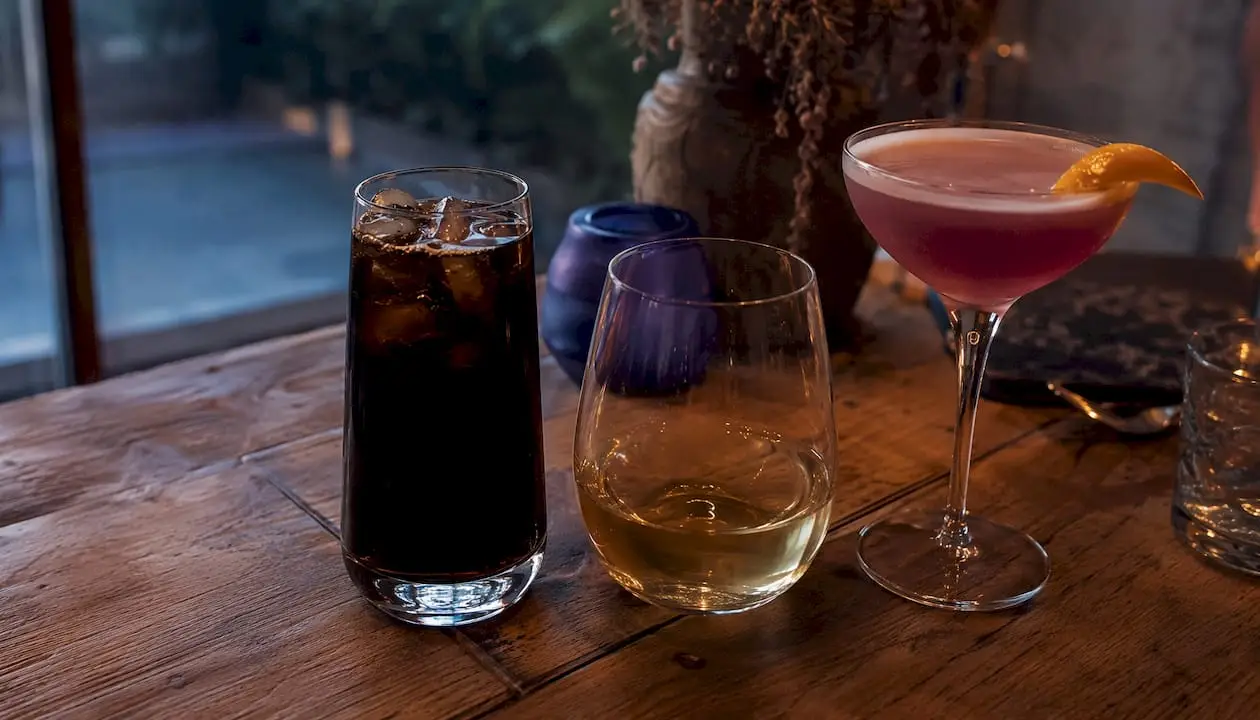
Always buy mixers and ice separately. A general rule: 1 pound of ice per person for drinks, plus another pound per person if you’re chilling bottles in a cooler. For mixers, plan on 2–3 liters of soda/tonic per bottle of spirits.
What’s the right split between beer, wine, and cocktails?
The “right” split depends almost entirely on your crowd and event type. A few common starting points:
-
Casual backyard party or birthday: 50% beer / 30% wine / 20% spirits. Beer is easy to grab, self-serve, and crowd-pleasing.
-
Dinner party or seated reception: 30% beer / 50% wine / 20% spirits. Wine pairs naturally with food, and guests tend to linger over a glass rather than cycle through drinks quickly.
-
Cocktail reception or upscale event: 20% beer / 30% wine / 50% spirits. The focus is on crafted drinks, so spirits and mixers take center stage.
Serving sizes matter when you’re doing this math. A standard beer pour is 12 oz, a wine pour is 5 oz, and a cocktail uses 1.5 oz of spirit. Because cocktails are smaller by volume but more labor-intensive, they require more prep time and more mixer inventory.
Pro Tip: Stock more wine than you think you’ll need for the dinner portion of any event. At dinner service, guests shift toward wine — it’s consistent across event types. If you’re running low on beer but have extra wine, you can redirect guests naturally without anyone noticing a shortage.
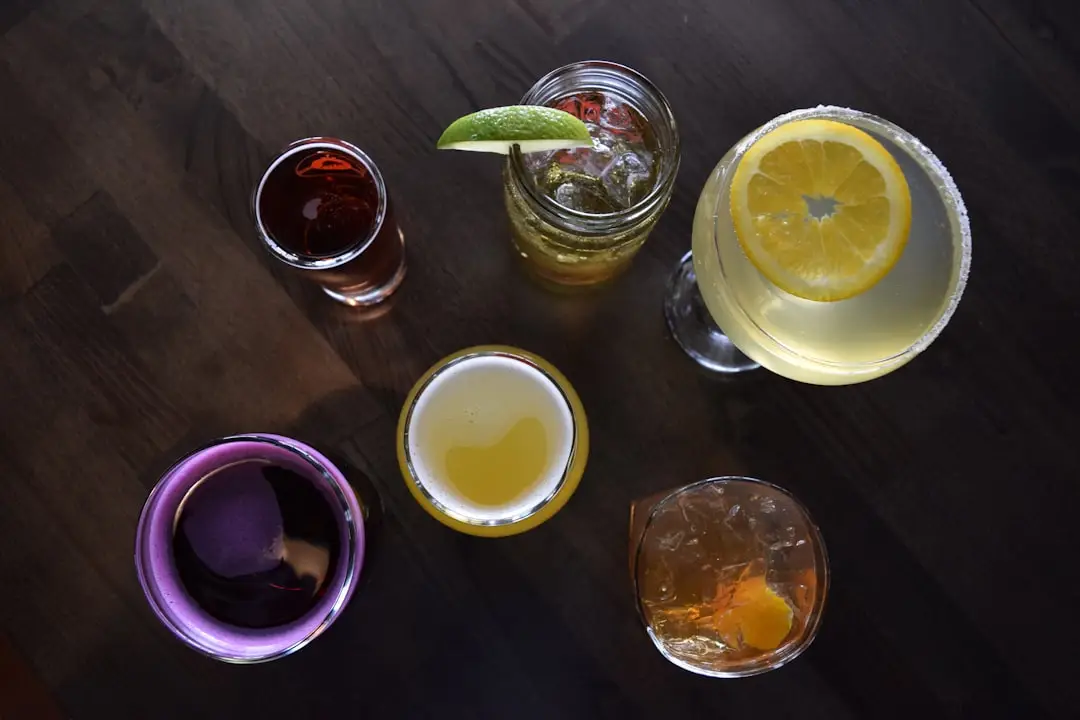
The standing-versus-seated dynamic also affects your split. Standing cocktail hours drive faster consumption than seated dinners — guests move around, socialize in bursts, and tend to hold a drink as a social prop. Plan your cocktail-hour spirits allocation higher than your dinner-service allocation.
How should you adjust for weddings and other specific events?
The baseline formula is a starting point. Different event types pull it in different directions.
Weddings are the longest and most drink-intensive events most hosts plan. For a 5–6 hour reception, budget 5–7 drinks per drinking guest. Account separately for a champagne toast (one glass per guest, including non-drinkers who may want a sip). Wedding crowds also tend to drink more wine during dinner and more cocktails and beer during the cocktail hour, so a phase-based approach works better than a flat rate. Cocktail-crew’s wedding bartending services are built around exactly this kind of phased planning.
Cocktail receptions (1.5–2 hours, standing, no dinner) run hot. Apply the 2-drink first-hour rule and plan for the full group to be active drinkers. These events have no dinner phase to slow things down, so your spirits and mixer inventory should be front-loaded.
Corporate events typically run 20–30% lower than social parties. There are usually more non-drinkers, a cash bar is common, and the professional setting keeps consumption moderate. A flat 2–3 drinks per person for a 2-hour corporate reception is a reasonable estimate.
Daytime and family events — graduations, baby showers, afternoon birthdays — call for a significant reduction. Cut the baseline by 30–40% and increase your non-alcoholic options proportionally. These crowds often include children, designated drivers, and guests who simply prefer not to drink in the afternoon.
How do you plan for non-drinkers and sober-curious guests?
Roughly 25–35% of guests at a typical party won’t drink alcohol, or will drink very little. That’s not a rounding error — it’s a quarter to a third of your guest list. Ignoring it means you’ll overbuy alcohol and underprepare for a significant portion of your crowd.
Here’s how to work it into your plan:
-
Adjust your drinking-guest count first. For 50 guests, assume 33–38 drinkers. Run the formula on that number, not the full 50.
-
Set up a dedicated NA station. Sparkling water, flavored seltzers, and a simple mocktail or two go a long way. Guests who don’t drink alcohol notice when they’ve been considered.
-
Plan 2–3 NA servings per non-drinking guest for a 3–4 hour event. That’s roughly 1 liter of non-alcoholic options per 3 guests.
-
Label clearly. If you’re serving mocktails alongside cocktails, mark them. Guests shouldn’t have to ask.
-
Batch mocktails in advance. A large-format sparkling lemonade with fresh herbs or a hibiscus agua fresca scales easily and looks intentional, not like an afterthought.
Elevated NA options aren’t just considerate — they reduce alcohol waste. When non-drinkers have something genuinely good to drink, they’re not quietly nursing a soda water while eyeing the bar. Cocktail-crew’s mocktail and cocktail trend ideas offer solid inspiration for hosts who want to go beyond a pitcher of lemonade.
What do bartenders know that most hosts don’t?
The single most consistent piece of advice from professional bartenders: round up, always. Running out of drinks mid-event is one of the few party mistakes guests actually remember. A modest surplus costs less than the awkwardness of an empty bar at 9 PM.
A few other things pros know that most hosts learn the hard way:
-
The NIAAA defines a standard drink as 0.6 fl oz of pure ethanol. That’s 12 oz of regular beer (5% ABV), 5 oz of wine (12% ABV), or 1.5 oz of 80-proof spirits. Use this baseline when you’re comparing ABV across products — a craft IPA at 8% ABV is closer to 1.5 standard drinks, not one.
-
Batch cocktails for peak hour. If you’re serving signature cocktails, pre-batch the base (spirits + mixers, minus ice and carbonation) in large pitchers or dispensers. This prevents a bottleneck when 30 people arrive at once.
-
Plan your peak-hour supply separately. The first 45 minutes of any event is the busiest. Make sure your most popular options are fully stocked and accessible before guests arrive, not mid-party.
-
Staffing affects pacing. One bartender can reasonably serve 50–75 guests at a moderate pace. Above that, service slows, lines form, and guests start self-serving in ways that throw off your inventory.
Stat to know: A U.S. standard drink contains exactly 0.6 fl oz of pure ethanol — the baseline for all drink-count conversions, regardless of what’s in the glass.
Knowing when to hire a professional bartender is itself a pro move. Beyond the craft, a good bartender controls portion sizes, monitors guest consumption, manages the pace of service, and carries liability coverage that protects you as a host. For events over 30 guests or longer than 3 hours, the math on hiring versus self-managing usually favors hiring.
Key Takeaways
The 2+1 formula — 2 drinks in the first hour, 1 per additional hour — is the most reliable starting point for any event, and rounding up by full case or bottle increments protects you from running short.
| Point | Details |
|---|---|
| Core formula | Plan 2 drinks per guest in hour one, then 1 per guest each additional hour. |
| Convert totals to containers | Use 24 servings per beer case, 5 glasses per wine bottle, 14 cocktails per spirit bottle. |
| Account for non-drinkers | Assume a significant portion of guests won’t drink alcohol; adjust your drinking-guest count before calculating. |
| Always round up | Buy full cases and bottles above your calculated need — surplus is far less costly than running out. |
| Cocktail-crew option | Cocktail-crew handles inventory, pacing, and service for private events with a flexible three-hour minimum. |
The part most hosts get wrong
The formula is easy. The mistake isn’t math — it’s optimism. Hosts consistently underestimate how much people drink in the first hour, skip the non-alcoholic planning entirely, and buy exactly what the calculator says instead of rounding up. Then they spend the last hour of their own party rationing wine.
There’s also a subtler problem: treating every hour of an event the same. A cocktail hour and a seated dinner are not the same drinking environment. Standing guests with nothing to do but talk and drink will outpace seated guests with food in front of them by a meaningful margin. The phase-based approach — separate calculations for each event segment — is what separates a well-stocked bar from one that runs dry at 8 PM.
The non-alcoholic planning gap is the one I find most consistently overlooked. A quarter to a third of your guests may not drink, and a bowl of sparkling water with a lemon wedge isn’t a plan. An elevated mocktail station signals that you thought about everyone, not just the drinkers. It also means your alcohol inventory actually goes to the people who want it, instead of being quietly consumed by guests who felt like they had to take something from the bar.
If you’d rather not manage any of this yourself, that’s a completely reasonable call. Cocktail-crew’s bartenders handle the math, the pacing, and the restocking — so you can actually enjoy the party you planned.
Skip the spreadsheet and let the pros handle it
Calculating drinks per person is manageable. Managing the bar all night while also hosting is a different job entirely. Cocktail-crew provides professional bartenders for private events — birthdays, weddings, corporate gatherings, and everything in between — with a flexible three-hour minimum that works for smaller events as well as full receptions.
Every booking includes experienced bartenders who control pacing, manage inventory, and keep the bar running without you watching over it. Cocktail-crew also specializes in elevated mocktails for sober-curious guests, so your entire guest list is covered. Whether you’re planning a 25-person dinner party or a 150-person wedding reception, the team brings the expertise so you don’t have to.
Book your bartending service and get a quote for your event date.
Useful sources and tools
-
NIAAA standard-drink reference: The NIAAA per-capita consumption report defines the U.S. standard drink and is the authoritative baseline for all drink-count conversions.
-
Cocktail-crew cocktail calculator: Cocktail-crew’s cocktail calculator generates a custom shopping list based on your guest count, event length, and beverage preferences.
-
Evite drink calculator: Evite’s drink calculator offers a quick online tool for estimating total drinks and splitting by beverage type for casual parties.
-
Party and Beyond drink calculator: Party and Beyond provides a free calculator with worked examples and non-drinker adjustments.
-
Cocktail-crew service pages: Hosts who want professional bartending can review service options, staffing details, and event minimums at cocktail-crew.com.
-
Further reading on event staffing: For hosts deciding between self-managing and hiring, 5 reasons to hire a mobile bartender covers the practical case for outsourcing bar duties.