The short answer: a well drink is whatever the bar pours by default when you don’t name a brand, and top-shelf is the premium stuff you pay extra for. Here’s when each makes sense:
- Accept the well when your drink is heavily mixed (rum and Coke, vodka cranberry, margarita with a lot of lime juice). The spirit gets buried anyway.
- Call a mid-tier brand when you have a preference but don’t need the best in the house. Say “Jameson and ginger” instead of just “whiskey and ginger.”
- Go top-shelf when the spirit is the point: a martini, a neat pour, an old-fashioned, or any occasion worth remembering.
At the bar, it’s as simple as “Well gin, please” versus “Grey Goose martini, please.” That one phrase change can noticeably increase your tab, so knowing when it’s worth it matters.
Table of Contents
- What do “well,” “call,” and “top-shelf” actually mean?
- How do price and quality actually compare?
- Common well vs. top-shelf brands at U.S. bars
- Which cocktails actually benefit from a top-shelf upgrade?
- How bars organize their bottles, and where “top shelf” comes from
- Quick checklist: should you upgrade at the bar?
- Key Takeaways
- The view from behind the bar at private events
- Useful sources
What do “well,” “call,” and “top-shelf” actually mean?
These three terms describe a bar’s pricing and service tiers, and every bartender uses them.
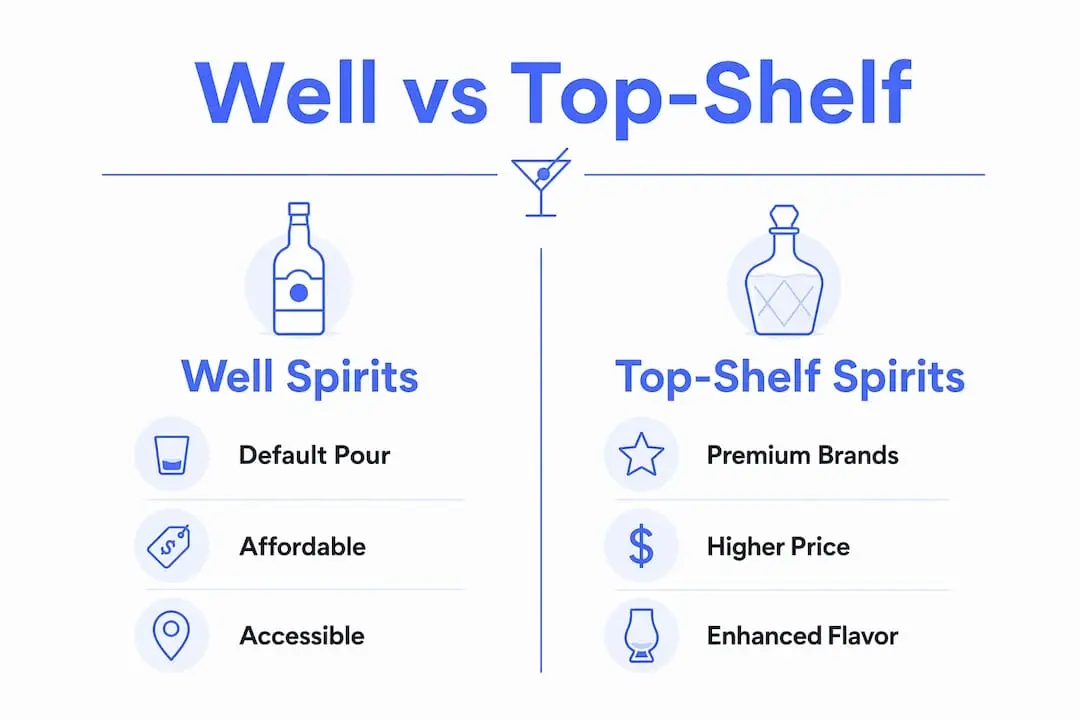
Well (also called rail): The well is the bar’s default pour. When you order a “vodka soda” without naming a brand, the bartender reaches into the speed rail, a sunken tray or rack right in front of them, and grabs whatever house spirit lives there. It’s the lowest-priced option on the menu, chosen for versatility and mixability rather than prestige. The speed rail holds the most-used bottles so the bartender can move fast during a rush.
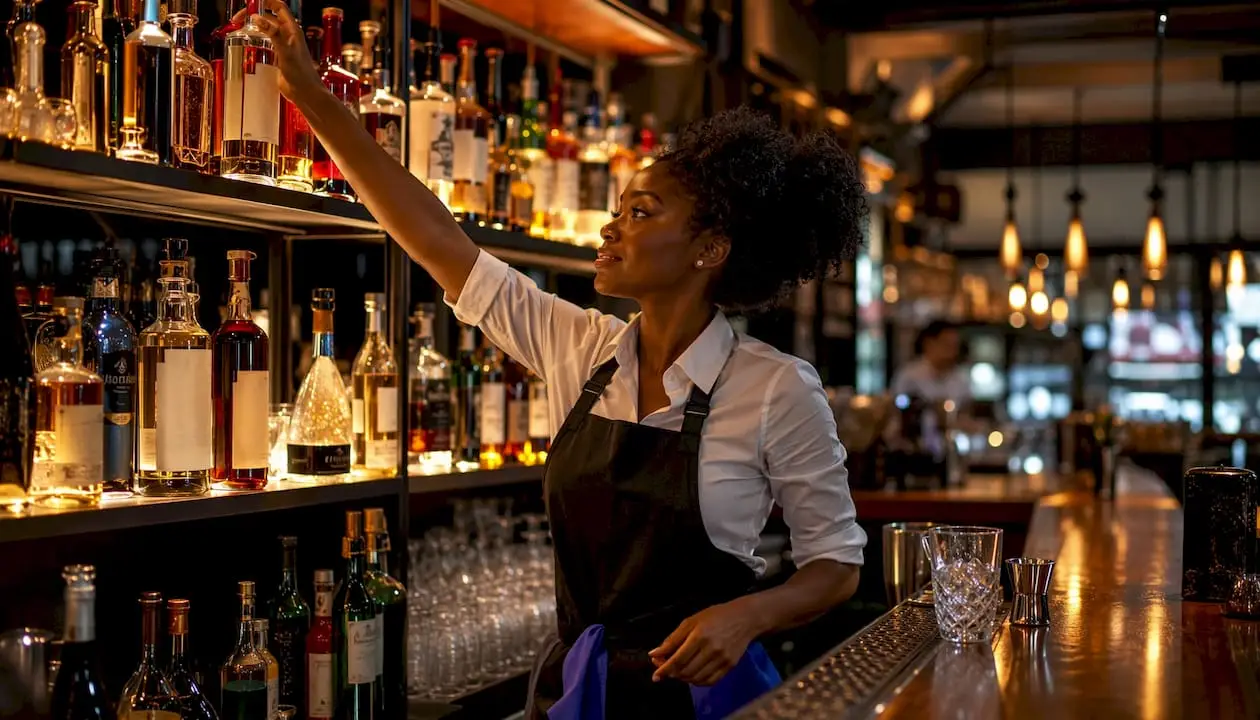
Call: You “call” a drink when you name the brand. “Tito’s and soda” instead of just “vodka and soda” is a call drink. The bartender reaches to the back bar shelves rather than the speed rail, and your tab goes up accordingly. Call drinks sit in the middle of the price range.
Top-shelf: These are the premium and super-premium spirits that carry higher price tags and brand prestige. Some bars use the term loosely for anything above their standard call tier. Others reserve it strictly for bottles considered premium due to higher retail prices. The Distilled Spirits Council (DISCUS) formally segments spirits into standard, premium, high-end premium, and super-premium, and “top-shelf” colloquially covers the upper two tiers.
One thing worth knowing: not every well is cheap swill. Some bars stock what the industry calls a “premium well,” using higher-quality house pours to keep quality consistent across all orders. Context and venue matter.
How do price and quality actually compare?
| Tier | Relative price | Quality / flavor nuance | Bar placement | Best use | How you order |
|---|---|---|---|---|---|
| Well | Lowest | Functional, neutral, built for mixing | Speed rail | Heavily mixed drinks | “Vodka soda” (no brand) |
| Call | Mid-range | More character, recognizable brand | Back bar, mid-shelf | Cocktails where you notice the spirit | “Jameson and ginger” |
| Top-shelf | Highest | Refined ingredients, aging, distillation care | Back bar, top shelf | Neat, rocks, spirit-forward cocktails | “Grey Goose martini” |
The quality gap between well and top-shelf is real, but it only shows up in the right context. A well vodka in a Bloody Mary? You won’t taste the difference. That same well vodka in a martini with just a whisper of vermouth? You probably will. Production methods, ingredient sourcing, and aging (for whiskeys and rums) all contribute to flavor complexity that becomes noticeable when the spirit isn’t competing with strong mixers.
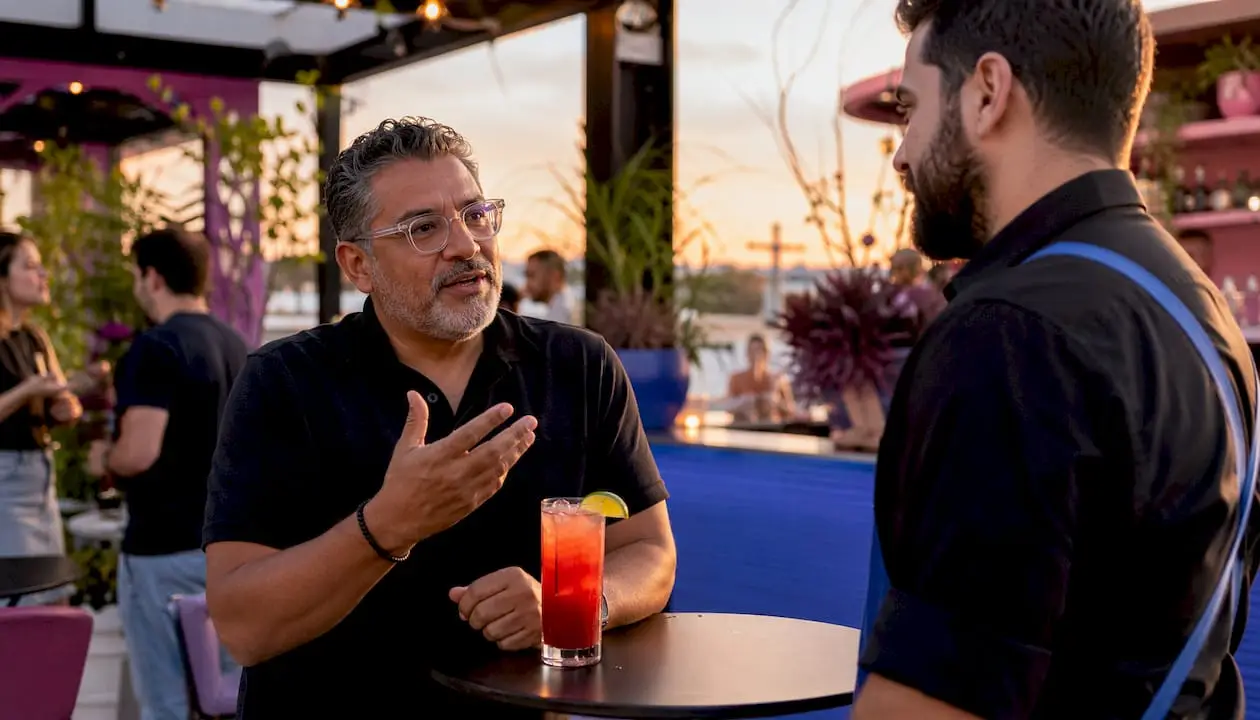
Spirit quality in cocktails matters most when the drink is simple. The fewer ingredients, the more the base spirit carries the flavor.
Pro Tip: Upgrade when you’re sipping slowly or ordering something spirit-forward. Stick with the well for anything that gets topped with juice, soda, or a flavored syrup. You’ll save money without sacrificing enjoyment.
Common well vs. top-shelf brands at U.S. bars
Brand placement varies by venue, but here’s how these names typically land across U.S. bars:
Commonly found as well or low-call spirits:
- Smirnoff (vodka): One of the most widely used well vodkas in the country. Reliable, neutral, and built for mixing.
- Captain Morgan (spiced rum): A frequent well rum at casual bars and chain restaurants.
- Seagram’s or Kessler (whiskey): Common well whiskeys at budget-friendly venues.
Typically call-tier at most bars:
- Tito’s (vodka): Has climbed from budget to call-tier at many bars thanks to its cult following. Some upscale venues treat it as a premium well.
- Absolut (vodka): A reliable mid-tier call vodka with a clean flavor profile.
- Jameson (Irish whiskey): The go-to call whiskey for Irish whiskey drinkers. Smooth enough to sip, affordable enough to mix.
Usually top-shelf or premium call:
- Grey Goose (vodka): The classic top-shelf vodka order. Expect to pay for the name as much as the liquid.
- Maker’s Mark (bourbon): Sits at the premium call or entry top-shelf level depending on the bar. Noticeably smoother than most well bourbons.
- Johnnie Walker Black (Scotch): A step above standard blended Scotch, consistently placed in the top-shelf or premium call tier.
A quick note: these placements shift depending on the bar. A craft cocktail bar in a major city might stock Tito’s as its well vodka. A dive bar might put Maker’s Mark in the call tier. If you’re not sure, glance at the menu or ask. Knowing your preferred brands lets you call a mid-tier favorite without accidentally paying top-shelf prices.
Which cocktails actually benefit from a top-shelf upgrade?
Bartenders are consistent on this: upgrade when the spirit is doing the heavy lifting, skip the upgrade when it isn’t.
Upgrade for:
- Martinis (gin or vodka, minimal dilution, spirit is everything)
- Old-fashioneds (whiskey, bitters, sugar, that’s it)
- Neat or on-the-rocks pours
- Manhattan, Negroni, or any spirit-forward classic
- A special occasion where the drink is part of the experience
Stick with the well for:
- Rum and Coke, vodka cranberry, gin and tonic with a lot of tonic
- Frozen drinks and blended cocktails
- Anything with a heavy flavored mixer or multiple juices
- Rounds of shots where the goal is volume, not nuance
The decision also comes down to pace. If you’re nursing one drink for an hour, the quality of the spirit matters more. If you’re ordering rounds at a loud birthday party, the well does the job.
Pro Tip: Ask your bartender what the well is before you order. A simple “What vodka do you use in the well?” takes five seconds and tells you whether you need to call a brand or if the house pour is already something you like. Most bartenders appreciate the question.

How bars organize their bottles, and where “top shelf” comes from
The term is literal in origin. Historically, bars displayed their most expensive bottles on the highest shelf, partly for visibility and partly to keep them out of easy reach during a fast-paced service. The cheapest bottles went into the speed rail at the bartender’s hip. Mid-range bottles landed on the middle shelves in between.
Today, “top shelf” is more of a pricing and marketing tier than a strict placement rule. A bar might display Grey Goose prominently on a middle shelf for visual appeal while still charging top-shelf prices. The physical location of the bottle matters less than the price column it appears in on the menu.
The speed rail (or well) still functions exactly as it always did: bottles within arm’s reach, fitted with speed pourers, ready for the next order without the bartender turning around. That operational efficiency is why well drinks are cheaper. It’s not just about the spirit itself; it’s about service speed and inventory management. Well spirits are chosen for versatility so a single bottle of well vodka can go into a dozen different cocktails without clashing.
Some bars now invest in premium wells, stocking a higher-quality house pour to attract guests who want better drinks without calling a specific brand, often featuring specialized premium tequila barware & merch to enhance the presentation. This is especially common at craft cocktail bars and hotel bars where the baseline expectation is higher.
Quick checklist: should you upgrade at the bar?
Run through these before you order:
- Is the drink spirit-forward? (Martini, old-fashioned, neat pour) → Yes: consider top-shelf or a call brand. No: well is fine.
- Are you sipping slowly? → Yes: the quality difference will register. No: save the money.
- Is this a special occasion? → Yes: the upgrade is part of the experience. No: the well works.
- Do you know what the well is? → If not, ask: “What do you use for your well vodka/whiskey/gin?” It’s a normal question.
- Is there a happy hour special on calls or wells? → Check before ordering. Many bars discount one tier during happy hour, which changes the math entirely.
Suggested phrases for ordering:
- “What’s your well whiskey?” (before committing)
- “I’ll have a well gin and tonic, please.”
- “Can I get a Maker’s Mark old-fashioned?” (calling a specific brand)
- “What would you recommend for a martini?” (letting the bartender guide you)
If you’re genuinely unsure, ask. Bartenders field this question constantly and most are happy to point you toward the best value for what you want to drink.
Key Takeaways
Well drinks are the bar’s default house pour; top-shelf spirits are premium brands worth the extra cost only when the spirit is the focus of the drink.
| Point | Details |
|---|---|
| Well = default pour | The bar uses its house spirit when you don’t name a brand; it’s the lowest-priced option. |
| Top-shelf = premium tier | Premium and super-premium brands cost more and show their quality in spirit-forward drinks. |
| Upgrade for simple drinks | Martinis, neat pours, and old-fashioneds benefit from top-shelf; heavily mixed drinks don’t. |
| Ask what the well is | A quick question before ordering prevents surprises and helps you decide whether to call a brand. |
| Call drinks bridge the gap | Naming a mid-tier brand like Jameson or Tito’s gets you better quality without full top-shelf pricing. |
The view from behind the bar at private events
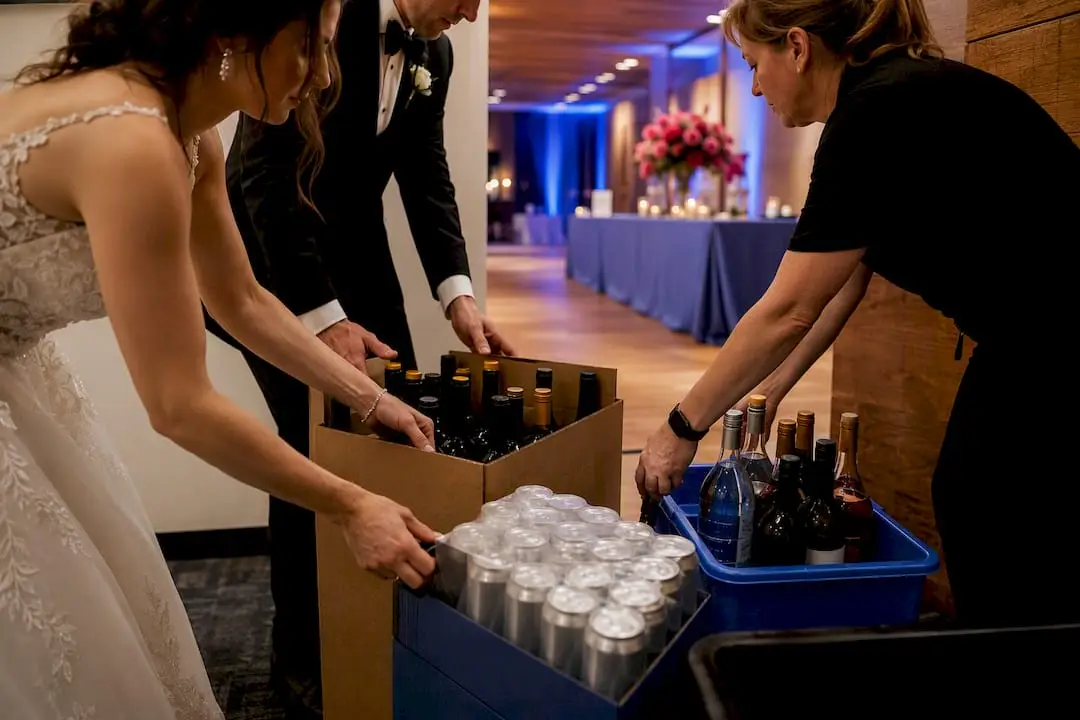
Hosting a private event forces you to think about this choice differently than ordering for yourself at a bar. When you’re buying for 80 guests instead of one, the well-versus-top-shelf decision becomes a budget question with real stakes.
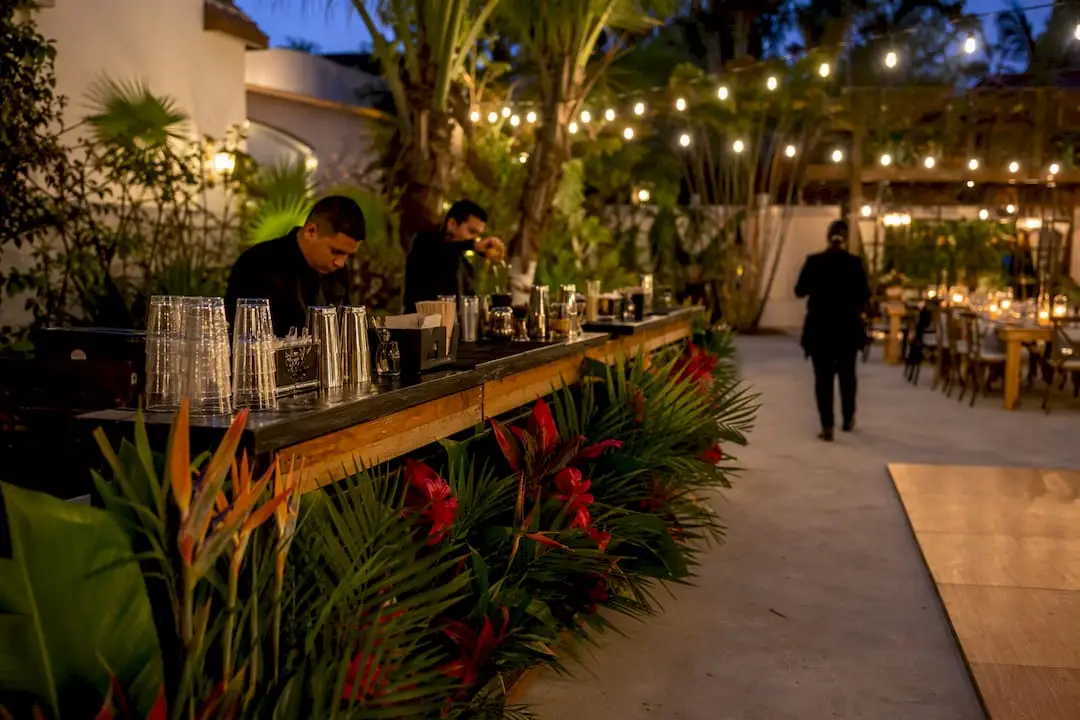
At most events Cocktail-crew bartenders work, hosts land in one of two camps. The first group goes full open bar with a premium well: they pick a quality house vodka, a solid bourbon, and a reliable tequila, then let guests drink freely without worrying about brand-by-brand costs. It keeps service fast, the drinks consistent, and the bill predictable. The second group runs a tiered bar, offering a well for mixed drinks and a small selection of top-shelf bottles for guests who want to sip something special. That setup works well for weddings and corporate events where some guests want a Johnnie Walker Black neat while others are happy with a vodka soda.
The smartest move for most hosts is a premium well. You’re not serving bottom-shelf spirits, but you’re not paying top-shelf prices across 150 drinks either. Professional event bartending makes that balance easier to execute because an experienced bartender can guide the selection before the event and manage pours efficiently during it.
For hosts planning a wedding or private party, Cocktail-crew’s bartending services for private events include guidance on exactly this kind of decision, from choosing a well that fits the occasion to building a drink menu that works within budget.
Useful sources
- Well drink — Wikipedia: Background on the definition of well/rail drinks, speed rail placement, and the service convention of pouring well when no brand is specified.
- Top-shelf liquor — Wikipedia: Overview of top-shelf as a pricing tier, DISCUS industry segmentation (standard through super-premium), and retail price context.
- What Is the Difference Between a Well and a Call Drink? — The Spruce Eats: Consumer-facing explainer on well, call, and top-shelf terminology with practical ordering guidance.
- Richmond bartender on when to order well vs. top-shelf — Virginia Living: Bartender perspective (Andy Im) on which cocktails benefit from an upgrade and when the well is the smarter choice.
- What’s the Difference Between a Well Drink and a Call Drink? — Tasting Table: Accessible breakdown of well vs. call with examples of typical well spirits and how bars tier their pricing.
- How well spirits changed — VinePair: Industry context on why bars choose well spirits for versatility and mixability, not just cost.
- What is top-shelf liquor? — Wine Enthusiast: Explains the historical origin of the term and how modern bar practice has shifted it to a pricing/marketing tier.
- What’s the difference between call, well, and top-shelf? — Chowhound: Practical consumer guide on using mid-tier call brands to get value without paying top-shelf prices.
- Cocktail-crew — Professional bartending services: Primary brand page for Cocktail-crew’s event bartending services, including guidance on drink selection for private events.