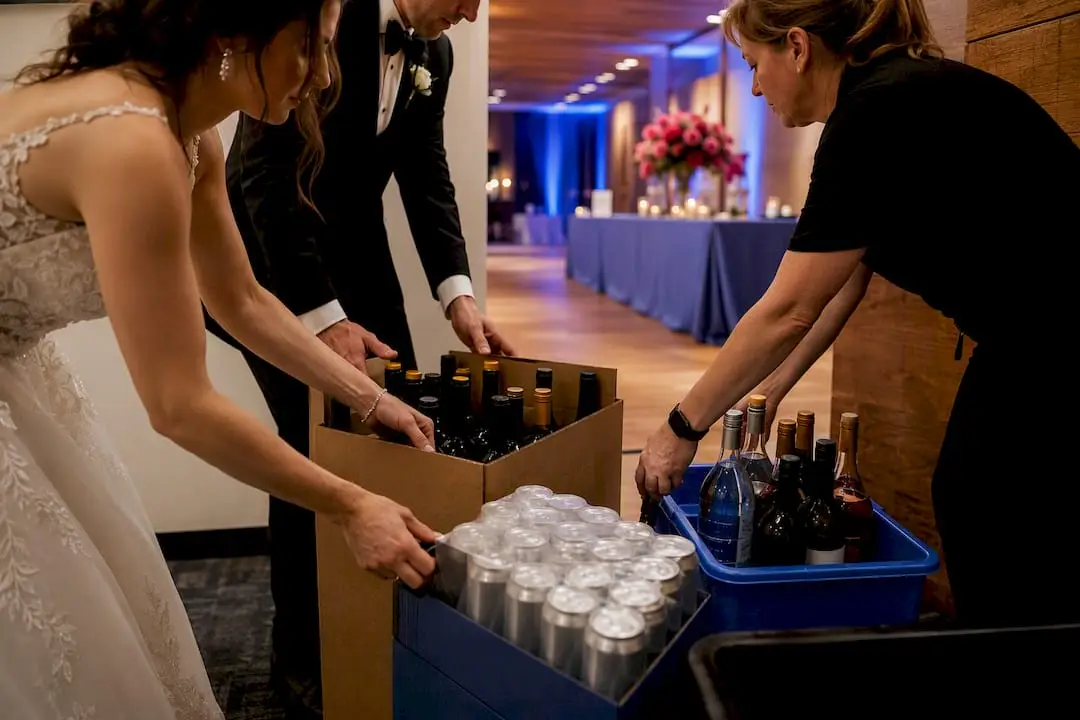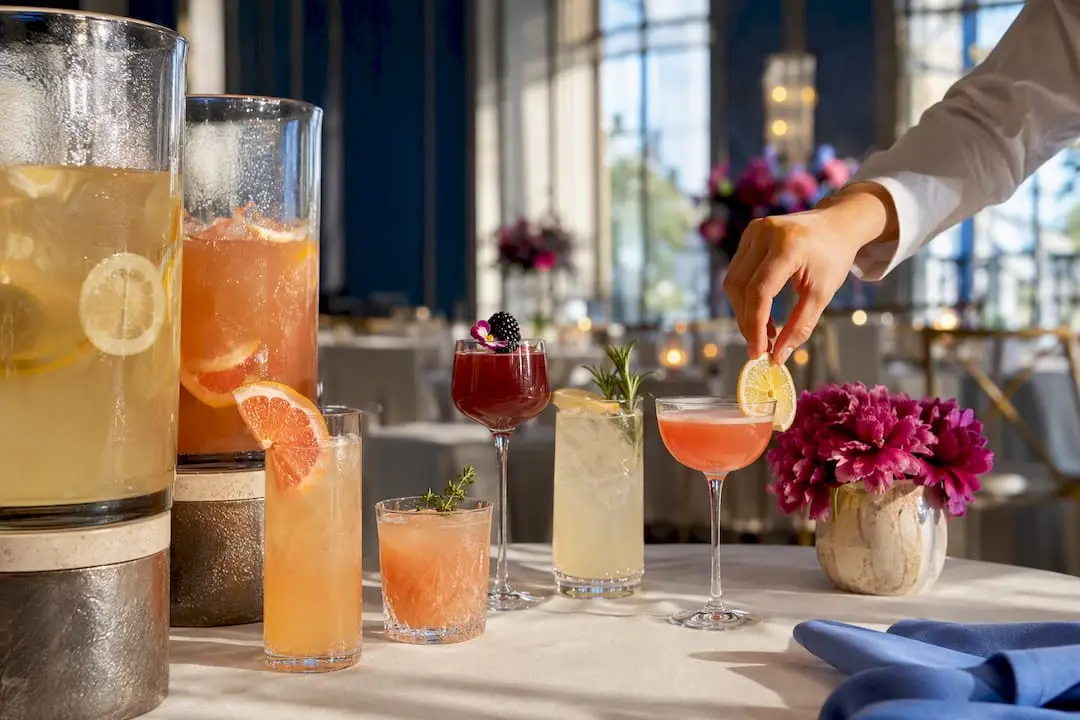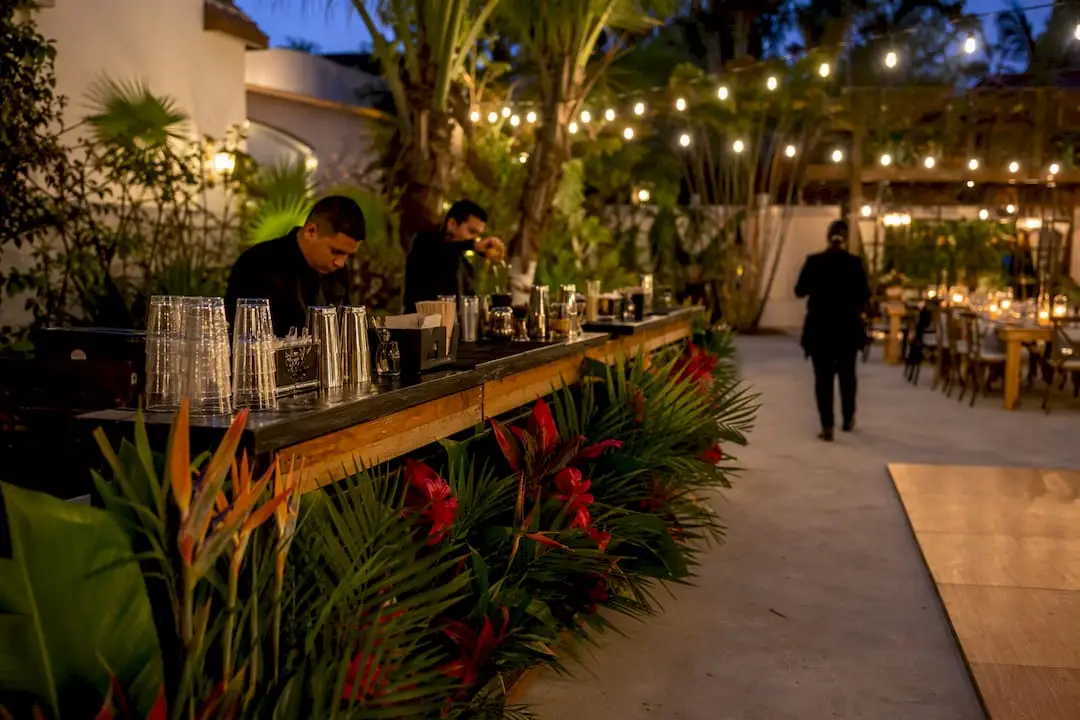
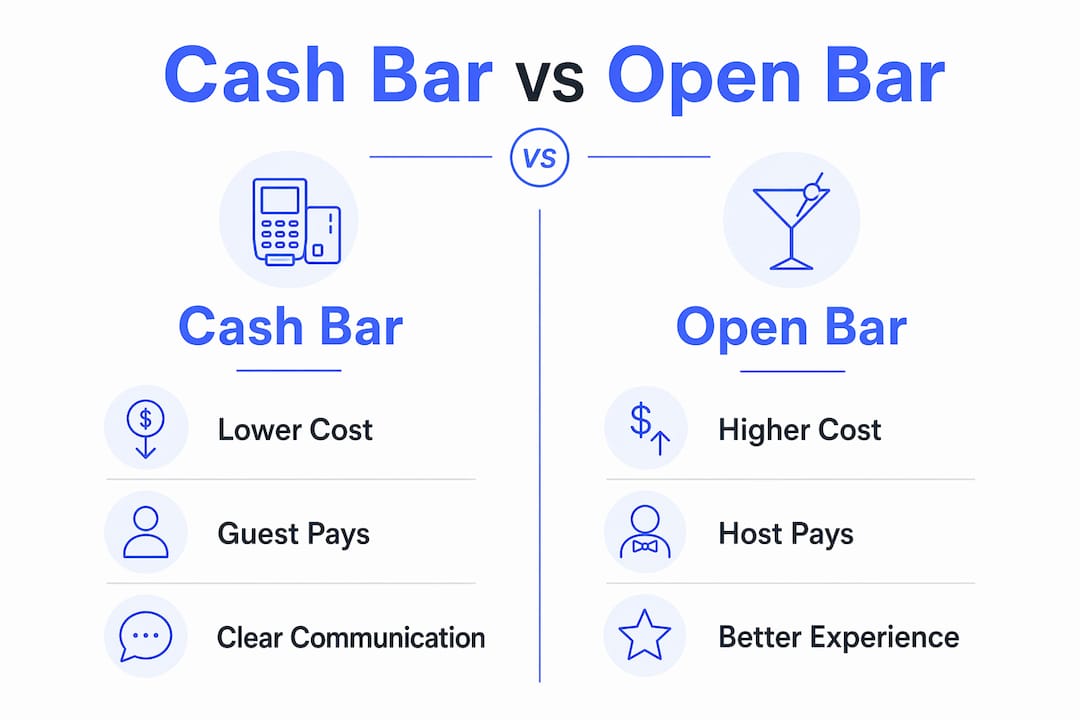
An open bar means the host pays for all drinks, typically at a flat hourly rate. A cash bar means guests pay for their own drinks, just like at a commercial bar. That single difference drives everything else: your budget, your guests’ mood, and how the night feels from the first toast to the last dance.
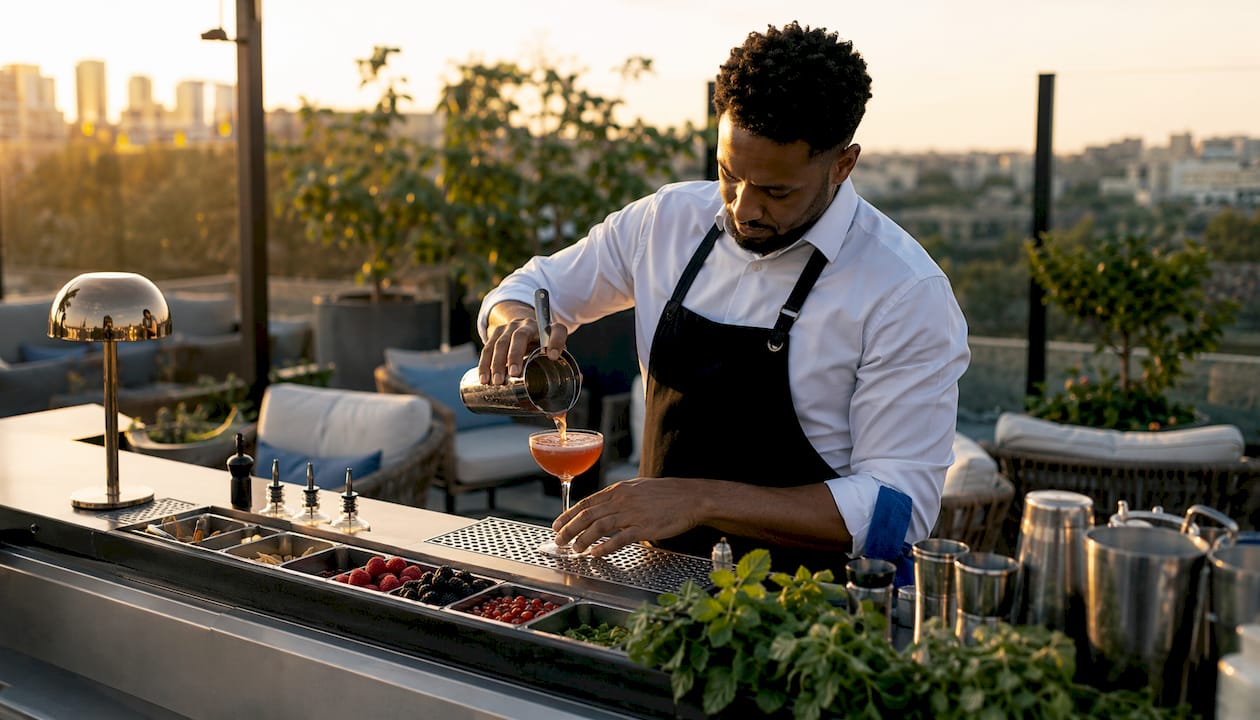
Here’s the quick comparison before we go deeper:
| Factor | Open bar | Cash bar |
|---|---|---|
| Cost to host | moderate to high cost per guest for a typical reception | — |
| Guest experience | 7–8 out of 10 | a lower score (without clear communication) |
| Consumption control | Lower (no personal cost to guests) | Higher (guests self-regulate) |
| Typical event fit | Weddings, galas, corporate functions | Casual gatherings, fundraisers, budget events |
| Main pro | Generous, seamless hospitality | Lowest possible host cost |
| Main con | Expensive; risk of waste | Can feel unwelcoming if not communicated clearly |
Key points at a glance:
- 57% of couples choose a full open bar; only 6% go cash bar.
- A full open bar runs $35–$70 per guest for a 5-hour US reception.
- A limited bar featuring beer, wine, and a signature cocktail is considered a budget-friendly option suitable for many couples.
- Roughly 40% of US guests interpret an unannounced cash bar as poor planning.
- Hybrid options let you show generosity without paying full open bar prices.
What is an open bar and how does it work at events?
An open bar is prepaid by the host, usually at an hourly rate plus a bartender fee. During the event window, guests order unlimited drinks at no personal cost. The host typically selects the drink menu in advance, choosing from tiers of beer, wine, and spirits.
Key characteristics:
- Priced by the hour, with rates rising for premium or top-shelf spirits
- Host knows the total cost upfront, so there are no end-of-night surprises
- Guests never interact with a payment process at the bar
- Host controls the drink selection, which makes themed or custom cocktails easy to feature
- Most common at weddings, black-tie events, and high-level corporate functions
The predictability is a real advantage. You commit to a rate, set the hours, and the bill is settled before anyone arrives. That structure also lets you upgrade your wedding bar experience without worrying about consumption-based surprises.
Pros and cons of an open bar for hosts and guests
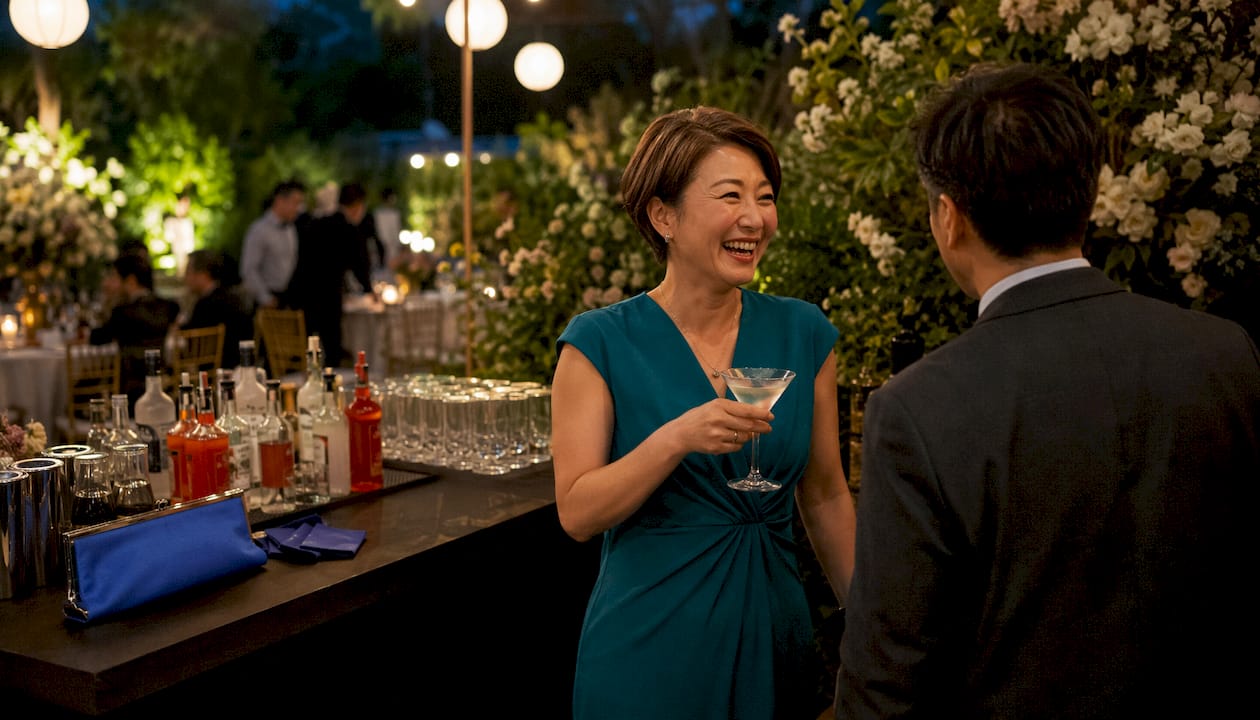
Open bars are the gold standard for formal events, and the guest experience data backs that up. When guests don’t have to think about paying, the social energy flows more freely.
Pros:
- Guests feel genuinely hosted, which sets a generous, celebratory tone from the start
- No payment transactions means bartenders serve faster and lines stay shorter
- You control what’s poured, so you can push a signature cocktail or limit options to manage costs
- Budget is fixed upfront; no sticker shock at the end of the night
Cons:
- Costs for an open bar can be substantial for medium to large receptions, depending on guest count and drink selection.
- Guests don’t associate cost with consumption, so drinks get abandoned and waste climbs
- Overconsumption is a real risk, and hosts are responsible for managing it
- For a crowd of light drinkers, you may pay for far more than anyone actually drinks
Who benefits most: hosts throwing formal weddings, milestone celebrations, or corporate events where the expectation of hosted drinks is baked into the occasion.
What is a cash bar and how does it function at events?
A cash bar operates exactly like a commercial bar. Guests order what they want and pay per drink, including tips. The host covers the venue, setup, and bartender fees, but alcohol costs shift entirely to guests.
Key characteristics:
- Guests pay individually for each drink, by cash or card
- Host’s alcohol cost is zero; expenses are limited to service and setup fees
- Venues typically set drink prices in advance and handle transactions directly
- Works best for casual gatherings, fundraisers, large community events, and budget-conscious weddings
- Requires clear advance communication to avoid guest frustration
One practical note: the service provider needs the proper licensing to sell alcohol at a cash bar. That licensing requirement is separate from what’s needed for a hosted bar, so verify with your venue before booking.
Pros and cons of a cash bar for hosts and guests
The cash bar’s biggest advantage is financial. The biggest risk is perception.
Pros:
- Zero alcohol cost to the host, which frees budget for catering, florals, or other priorities
- Guests self-regulate their drinking, which reduces overconsumption and keeps the atmosphere controlled
- Drink tickets can be layered in as gifts or prizes, adding a fun element
- Works well for events where guests genuinely expect to pay their own way
Cons:
- Roughly 40% of US guests read an unannounced cash bar as a hosting failure, not a budget choice
- Individual transactions slow service and can create longer lines
- Guests who traveled, booked hotels, or brought gifts may feel the additional cost is a burden
- At formal or traditional weddings, a cash bar can feel out of place
Pro Tip: If you go cash bar, say so explicitly on your wedding website under the FAQ section. One sentence is enough. Guests who know in advance rarely mind; guests who are surprised often do.
Clear communication is the difference between a cash bar that works and one that becomes the thing people remember for the wrong reasons.
Hybrid and limited bar options that blend the best of both
If a full open bar strains the budget and a cash bar feels too bare, hybrid setups offer a real middle ground. Event planners widely endorse these models for their ability to show generosity without full open bar costs.
Common hybrid setups:
- Beer and wine hosted, liquor cash: Cover beer and wine for all guests; let those who want spirits pay separately. Keeps costs predictable while still feeling generous.
- Drink tickets: Give each guest one or two complimentary drinks, then switch to cash. Sets a clear spending limit from the start.
- Open bar during cocktail hour, then cash or limited: Guests feel welcomed immediately; the transition after dinner is rarely noticed.
- Signature cocktail plus cash bar: Host one or two branded drinks while the rest of the bar runs on guest spend.
- Limited bar (beer, wine, one signature cocktail): Costs $18–$35 per guest versus $35–$70 for a full open bar, and scores a 7–8 out of 10 on guest experience.
For couples planning a self-catering wedding venue setup, hybrid models are especially practical because you control the alcohol sourcing and can tailor the offering precisely.
How much does each bar option actually cost?
Cost is where the cash bar vs open bar decision usually gets made. Here’s what the numbers look like for a standard US wedding reception in 2026.
| Bar type | Cost per guest | Cost for 100 guests | Guest experience score |
|---|---|---|---|
| Full open bar (premium spirits) | varies higher end pricing | varies higher end pricing | highest scores |
| Full open bar (call brands) | moderate pricing | moderate pricing | high scores |
| Limited bar (beer, wine, signature cocktail) | budget-friendly option | budget-friendly option | good scores |
| Beer and wine only | lower cost option | lower cost option | moderate scores |
| Cash bar | minimal host cost | minimal host cost | lower scores |
Budgeting tips:
- New York and Los Angeles trend toward the high end of open bar pricing; Midwest mid-sized cities typically land closer to $30–$45 per guest
- Always confirm whether bartender labor is included in the per-guest rate; if not, add $200–$400 per bartender
- Gratuity typically runs 10–20% of the alcohol bill and is often not included in quoted rates
- If your venue allows outside alcohol, sourcing it yourself and paying corkage fees can reduce costs meaningfully
- Shorter bar hours and a smaller guest list are the two fastest ways to cut the open bar bill
A hosted bar (consumption-based, not flat-rate) is a third option worth knowing. You pay only for what guests actually drink, but unfinished drinks can inflate the final bill in ways that catch hosts off guard. It works best for corporate events with moderate drinkers.
How bar type shapes guest experience and the social atmosphere
The bar choice does more than manage costs. It sets the emotional register of the whole event. An open bar signals generosity and removes any awkwardness around ordering. Guests relax faster, conversations start more easily, and the dance floor fills sooner.
A cash bar changes that dynamic. When guests pay per drink, they order less, which can actually benefit the event’s tone in casual settings. But at a wedding or formal celebration, the act of reaching for a wallet mid-event can feel jarring.
Key social and emotional effects:
- Open bars remove transaction friction, which keeps energy high and lines moving
- Cash bars reduce overconsumption, which can help maintain a controlled atmosphere at large events
- Guests who expected hosted drinks and find a cash bar often carry that frustration through the night
- Drink tickets thread the needle: guests feel gifted, and consumption stays bounded
The open bar vs hosted bar distinction also matters here. A hosted (consumption-based) bar feels the same to guests as an open bar, but the host’s financial exposure is uncapped. For social events with heavy drinkers, that’s a meaningful risk.
What event planners and industry research say about choosing your bar
Bar choice hinges on event tone more than budget alone, according to experienced event planners. A formal wedding in a ballroom carries an implicit promise of hosted drinks. A corporate mixer or casual birthday party carries no such expectation.
A few data points that sharpen the decision:
- 57% of couples choose a full open bar; just 6% go with a cash bar, per The Knot’s Real Wedding Study.
- 60% of US weddings under a $50,000 budget use a limited bar as their primary option.
- Open bars lead to more abandoned drinks because guests don’t associate cost with consumption, a pattern well-documented in beverage function management.
For cash bar management specifically, industry guidance recommends assigning dedicated cashiers who handle money and issue drink tickets separately from the staff who serve drinks. That separation reduces theft risk and keeps service moving.
The consensus among planners: match the bar to the event’s formality, communicate any cash bar policy clearly in advance, and consider a limited or hybrid setup before defaulting to either extreme.
The Cocktail Crew brings professional service to any bar setup you choose
Whatever bar format you land on, the quality of service behind the bar shapes the guest experience just as much as what’s being poured. The Cocktail Crew provides professional bartending services for weddings, private parties, and corporate events, with flexible minimums starting at just three hours.
The Cocktail Crew’s bartenders don’t just pour drinks. They engage guests, craft elevated cocktails, and keep the bar running smoothly whether you’re hosting an open bar, a limited setup, or a hybrid with drink tickets. Their cocktail calculator takes the guesswork out of planning quantities, and their mocktail menu means sober-curious guests are never left out. For hosts who want a stress-free bar experience without locking into a rigid package, The Cocktail Crew is worth a conversation before you finalize your bar choice.
Key Takeaways
An open bar costs more but delivers a significantly better guest experience, while a cash bar saves money at the risk of guest perception if not communicated clearly in advance.
| Point | Details |
|---|---|
| Open bar cost range | A full open bar runs $35–$70 per guest for a 5-hour US reception. |
| Cash bar perception risk | Roughly 40% of US guests interpret an unannounced cash bar as poor planning, not a deliberate style choice. |
| Limited bar sweet spot | Beer, wine, and one signature cocktail costs $18–$35 per guest and scores 7–8 out of 10 on guest experience. |
| Communication is critical | Stating your cash bar policy on your wedding website FAQ prevents guest frustration before it starts. |
| The Cocktail Crew advantage | The Cocktail Crew’s professional bartenders serve any bar format with a flexible three-hour minimum and no rigid package lock-in. |
Scottsdale, Nashville, Austin, Miami, Charleston, Savannah, Los Angeles & Orange County, San Diego, Palm Springs, Destin & 30A — wherever you’re celebrating, The Cocktail Crew will be there. Check your date, book The Cocktail Crew, and get ready for a night worth remembering. Cheers.